

Winter driving demands preparation. This guide helps drivers in the United States build a compact winter emergency kit and follow a simple service plan to keep a vehicle reliable when temperatures drop.
Start with basics that cover warmth, traction, recovery, visibility, and power. Add seasonal checks like battery tests, winter tires where needed, and a 50/50 coolant mix. Short inspections—oil, tire pressure, tread, and lights—cut the chance of roadside delays.
A two-part approach makes prepping easy: assemble a kit and schedule targeted service checks before the first storm. Follow manufacturer recommendations and keep records to protect resale value and validate proper work.
Small steps save time and risk: top off fluids, check belts and spark plugs per your owner manual, and plan routes while monitoring weather. A charged phone and simple tools help ensure safer stops and better performance when it matters most.
Key Takeaways
- Build a kit that covers warmth, traction, recovery, visibility, and power.
- Perform short checks: oil, coolant, tire pressure, tread, and lights.
- Schedule seasonal service like battery tests and tire swaps early.
- Keep records of inspections to support resale value.
- Plan routes, watch forecasts, and keep your phone charged.
Why a Winter Emergency Kit Matters for Safe Driving Right Now
Cold snaps change how a vehicle behaves and how quickly help can arrive. Low temperatures shorten battery life and make oil thicker, which reduces engine performance and can stall a trip.
Tire pressure falls about 1 PSI for every 10°F drop, so a quick pressure check before longer trips helps prevent handling problems. A dirty windshield or worn wipers cuts visibility fast in snow and sleet.
A ready kit bridges the gap between an unexpected issue and professional help. It gives tools to stay warm, restore sightlines, and manage small fixes until help arrives. Keep de-icer, a scraper, spare wipers, blankets, water, and a charged power bank on hand.
Quick winter routine:
- Check tire pressure and spare.
- Test lights and inspect wipers.
- Confirm washer fluid is winter-rated and battery terminals are clean.
Follow your manufacturer guidelines for seasonal checks. Combining preventive service with a compact kit will help ensure safer trips and buy precious time if conditions worsen on the road.
Must-Have Winter Emergency Kit Items for Your Vehicle
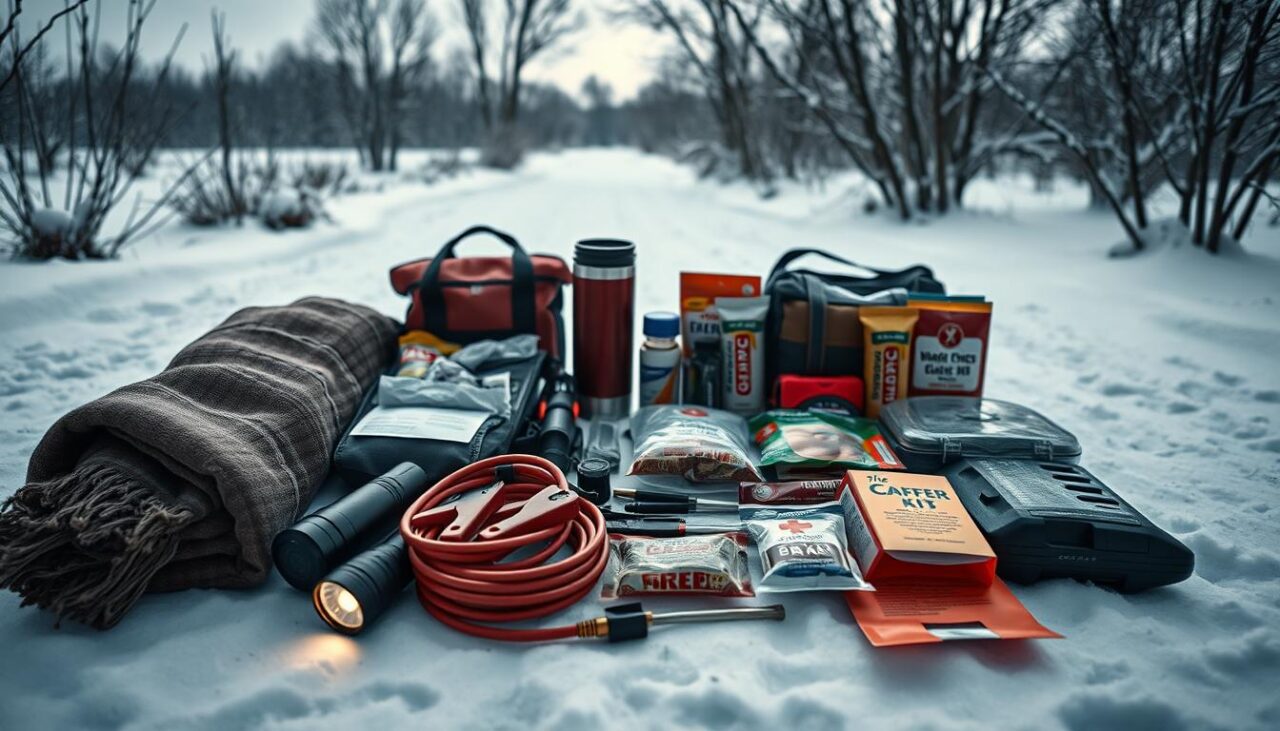
A compact winter kit equips drivers to stay warm, visible, and mobile when roads turn icy. Pack items that protect people, keep systems running, and help you get moving or wait safely for help.
Cold-Weather Survival Basics: Warmth, Hydration, and Visibility
Warmth items should include thermal blankets, hats, gloves, and chemical hand warmers to help ensure core temperature if you are stuck for hours.
Hydration: sealed water bottles and a metal cup let you melt snow safely if needed. Keep water inside the cabin and insulated.
For visibility, add an ice scraper, snow brush, de-icer for the windshield and locks, spare wiper blades, and a headlamp so you can see and be seen in low light.
Tire and Traction Tools
Carry a compact shovel, traction boards or sand/kitty litter, and snow chains where legal. Check tire pressure monthly in winter and before trips; consider winter tires for better grip when temps hover at or below freezing.
Recovery and Safety Gear
Include a tow strap rated for your car’s weight, reflective triangles, a high-visibility vest, and LED flares or road flares to alert approaching traffic.
Power and Starting Support
Pack quality jumper cables (4-gauge or better) and a lithium jump pack sized for your engine. Inspect battery terminals for corrosion and add a small wire brush and dielectric grease to the kit.
Fluids, Leak Control, and Under-the-Hood Helpers
Bring winter-rated windshield washer fluid, a small bottle of oil for top-offs, and radiator-safe coolant. Keep absorbent pads or duct tape for temporary leak control.
Also store insulated gloves, a flashlight, a multi-tool, zip ties, and a compact belt/hose emergency kit for quick fixes under the hood.
Comfort and Contingencies
Round out the kit with a first-aid pack, mylar blankets, high-calorie snacks, a whistle, and a paper map. Keep a list of emergency contacts and roadside assistance info in the kit.
Car Care & Maintenance Essentials for Winter Reliability
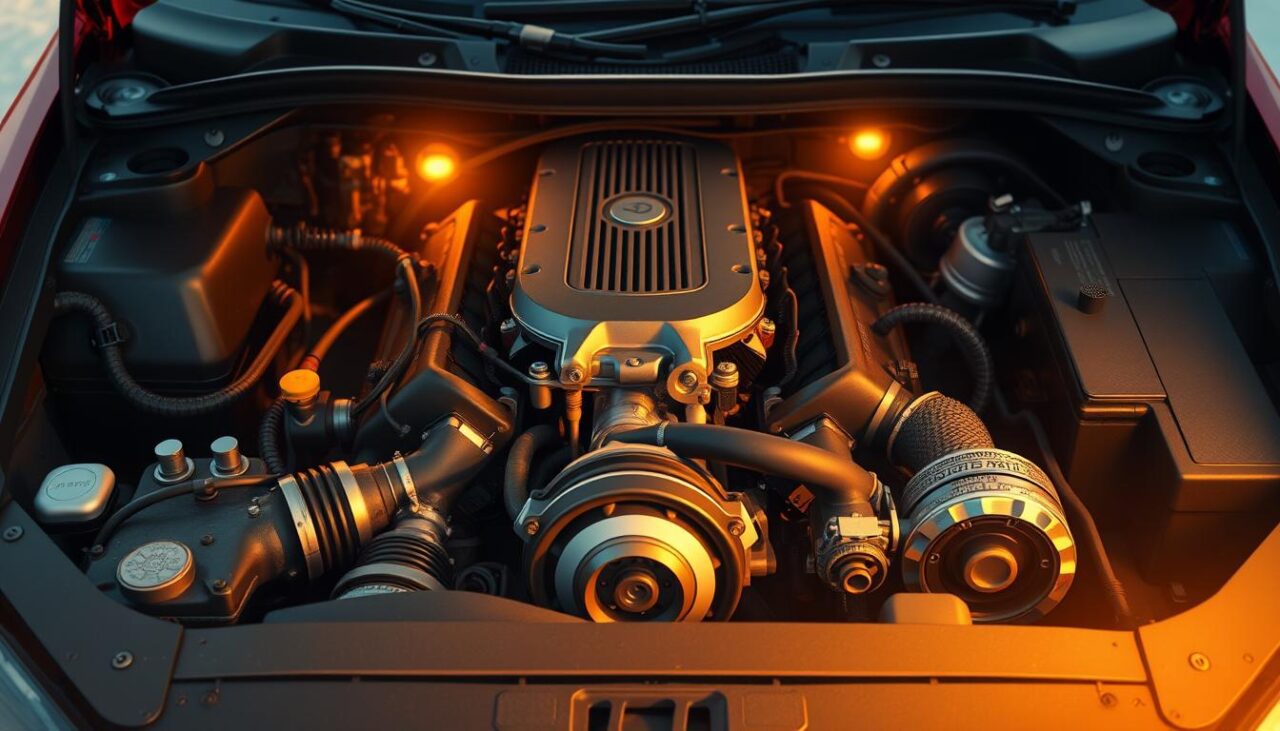
Winter reliability starts with a short service checklist that targets systems most affected by cold. Focused checks reduce surprises and help the engine and related systems perform when temps fall.
Battery testing and replacement
Prioritize a battery test before deep freezes. Clean terminals and replace a weak battery to protect starting reliability and overall performance.
Coolant and fluid exchange
Verify coolant protection levels and follow the vehicle manufacturer recommendation for a radiator coolant fluid exchange. Use fluid that meets or exceeds specs to protect the engine year-round.
Filters, wipers, tires, and brakes
Replace the engine air filter and cabin air filter on schedule to support HVAC performance and intake protection.
Install winter wiper blades, refill with winter-rated washer fluid, and pull blades off the glass in icy weather to prevent damage.
Check tire pressure and tread depth monthly, rotate tires to even wear, and consider switching to winter tires for better grip.
Schedule a brake inspection and a brake fluid exchange when tests show degradation. Address pads and rotors to keep stops predictable on slick roads.
“Small service steps now save time and risk on winter trips.”
Drivetrain, belts, and steering
Inspect spark plugs, the serpentine belt, and transmission, differential, and transfer case fluids per manufacturer intervals. Confirm alignment and steering health to reduce wear and help control the vehicle over miles driven.
Seasonal Inspection Intervals and Vehicle Manufacturer Recommendations
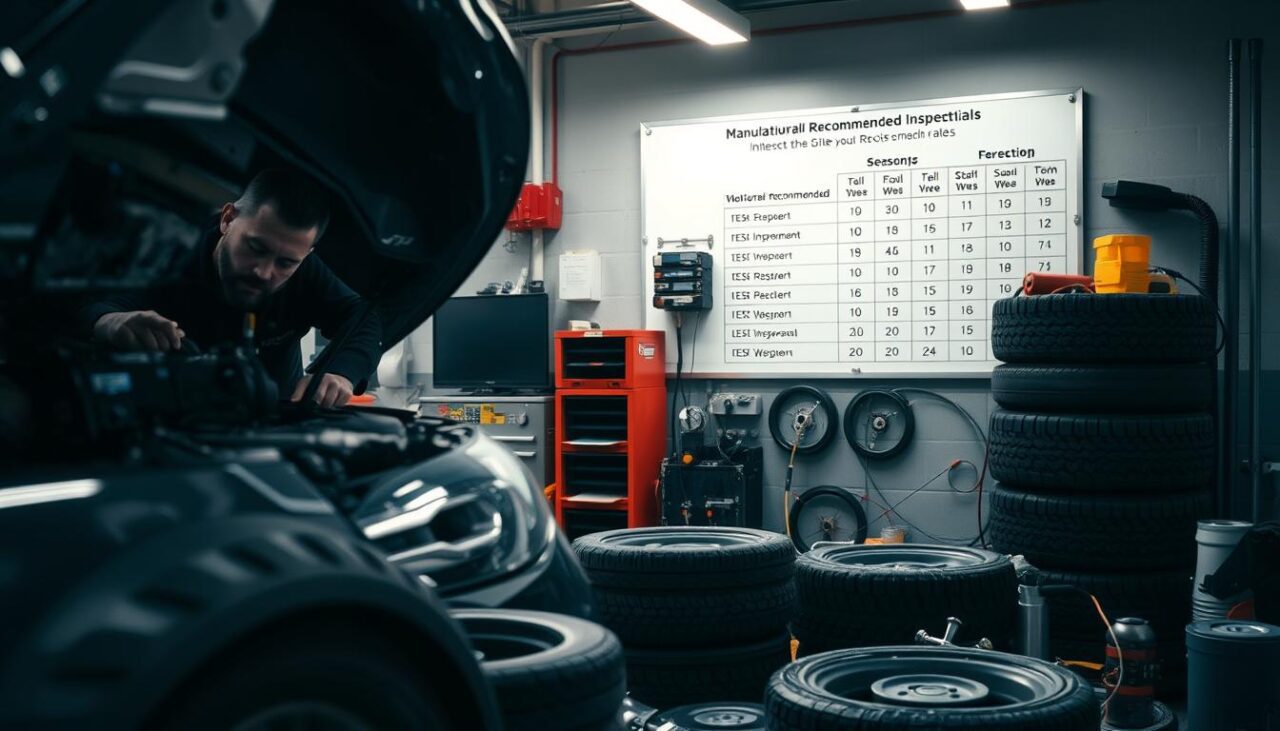
Check schedules based on miles and seasons to protect key systems before winter hits. Follow the vehicle manufacturer recommendation in your owner’s manual for exact intervals.
Short-term check-ups
Monthly or before a trip, verify oil level, tire pressure, exterior lights, and wiper condition. These quick checks help the engine start and keep visibility clear on cold mornings.
Long-term check-ups
Use interim services about every 6,000 miles for an oil change and filter swap, serpentine belt inspection, and routine pressure checks. Plan full services near 12,000 miles to inspect engine components, belts and hoses, brake pads, and both engine and cabin air filter elements.
Seasonal add-ons
Before freezing temps, schedule battery performance testing and confirm a 50/50 coolant mix. Major service windows should include brake fluid exchange, spark plugs at their interval, and transmission fluid inspection per the transmission design.
- Tip: Keep documented service records to support warranty or resale conversations with your manufacturer.
- Tip: Build calendar reminders so service and testing don’t slip between high-mileage months.
“Small, timely inspections reduce risk and keep systems reliable through winter.”
How to Pack, Store, and Use Your Winter Kit on the Road
Organizing gear by access and function helps you deploy safety tools fast when roads turn rough. A little planning cuts the time you spend digging in cold weather and keeps essential tools ready.
Smart trunk layout: Put quick-access safety items—reflective triangles, LED flares, first-aid, a headlamp, and insulated gloves—on top. Store bulky items such as a shovel and traction boards deeper near the hatch. Keep under-the-hood tools in a labeled pouch by the hood to find them fast.
Place ice scraper, de-icer spray, and a compact snow brush in the cabin so you can clear the windshield without opening the trunk. Secure heavy items with cargo nets or bins sized to your car so they do not shift and damage the system or occupants.
Monthly kit testing
Perform monthly testing of your jump pack and recharge it as needed. Cycle spare flashlight batteries and check expiration dates on first-aid supplies to help ensure performance when you need them.
Add a recurring reminder to check tire pressure and top off washer fluid with a winter-rated blend. Inspect wiper action for streaks and replace blades yearly; winter blades can improve grip on glass when temps drop.
- Store small bottles of oil, compatible coolant, and washer fluid in a sealed bag to prevent spills inside the vehicle.
- Inspect straps, tow lines, and shovel parts after use; clean and dry gear to prevent corrosion and extend service life.
- Teach household drivers where the kit lives and how to use it so anyone can deploy tools confidently in an emergency.
“A neat, tested kit reduces stress and keeps trips safer in winter.”
Pro Services That Complement Your DIY Winter Prep
Booking seasonal shop work makes it easier to combine fluid exchanges and safety checks in one stop. A professional service visit fills gaps that a roadside kit cannot, and it helps ensure the vehicle meets factory specs before storms arrive.
When to schedule work: Book a fluid exchange for coolant, brake, transmission, differential, or transfer case fluid on the manufacturer timeline. Do this before sustained cold snaps to help ensure lubrication and thermal control under winter stress.
When to book fluid exchanges, alignments, and comprehensive inspections
Combine services when possible. An interim visit at about 6,000 miles and a full check at 12,000 miles are good anchors.
- Book coolant and brake fluid exchange before freezing conditions.
- Schedule transmission and transfer case fluid exchanges per the transmission design.
- Request alignment and steering checks after pothole hits or if the vehicle pulls to one side.
Using service records to protect value and prevent costly repairs
Ask shops to note vehicle manufacturer specifications on invoices. Clear records show proper fluid types, torque values, and parts replacement, which helps with warranty claims and resale.
Pro tip: Combine a battery test, brake fluid exchange, and alignment in one visit to minimize downtime and get the most from shop labor.
“Keep organized service records to reduce duplicate work and to prove timely replacement and inspections.”
Conclusion
a strong, final step: link a packed kit to a simple service plan and you cut roadside risk this winter.
Prioritize fluids, oil level checks, brake readiness, and visibility before storms. Refresh engine air and fuel filter elements on schedule to stabilize performance.
Inspect belts and ignition items like spark plugs, review transmission and transfer case fluid, and replace worn parts that speed wear in cold weather.
Keep a monthly habit: test the jump pack, top off washer fluid, and log each replacement and inspection. With this approach your vehicle and car systems stay predictable, safer, and less likely to fail when miles and cold demand more.