Get your vehicle ready for fall with a clear, easy plan. Cooler temperatures and wet leaves change road conditions fast. A simple seasonal check protects visibility, traction, and reliable starts.
Start by inspecting lights, windshield glass, and wiper function to help with early dusk and rain. Verify oil and other fluid levels, and swap filters if needed. These small steps keep engine performance steady.
Next, evaluate brakes and tires for wear and grip. Look for dim bulbs, spongy pedals, or uneven tread that hint at bigger problems. Schedule any required service now to avoid holiday rushes and part delays on a website or local shop.
Follow a short checklist each season to boost longevity and reduce surprises. This guide shows the systems to inspect, signs to watch, and how to choose DIY versus professional help so you keep your vehicle dependable all autumn.
Key Takeaways
- Check lights, glass, and wipers first for safe visibility.
- Top off oil and fluids, and replace filters as needed.
- Inspect brakes and tires for wear, traction, and even tread.
- Watch warning signs like dim light output and spongy pedals.
- Plan service early via a website or scheduler to avoid delays.
Visibility first: lights, wipers, and windshield readiness for fall driving
Before the first heavy rain, confirm your vehicle’s lighting and windshield systems are ready for lower visibility. A quick check prevents night-time glare, missed signals, and reduced stopping sight on wet roads.
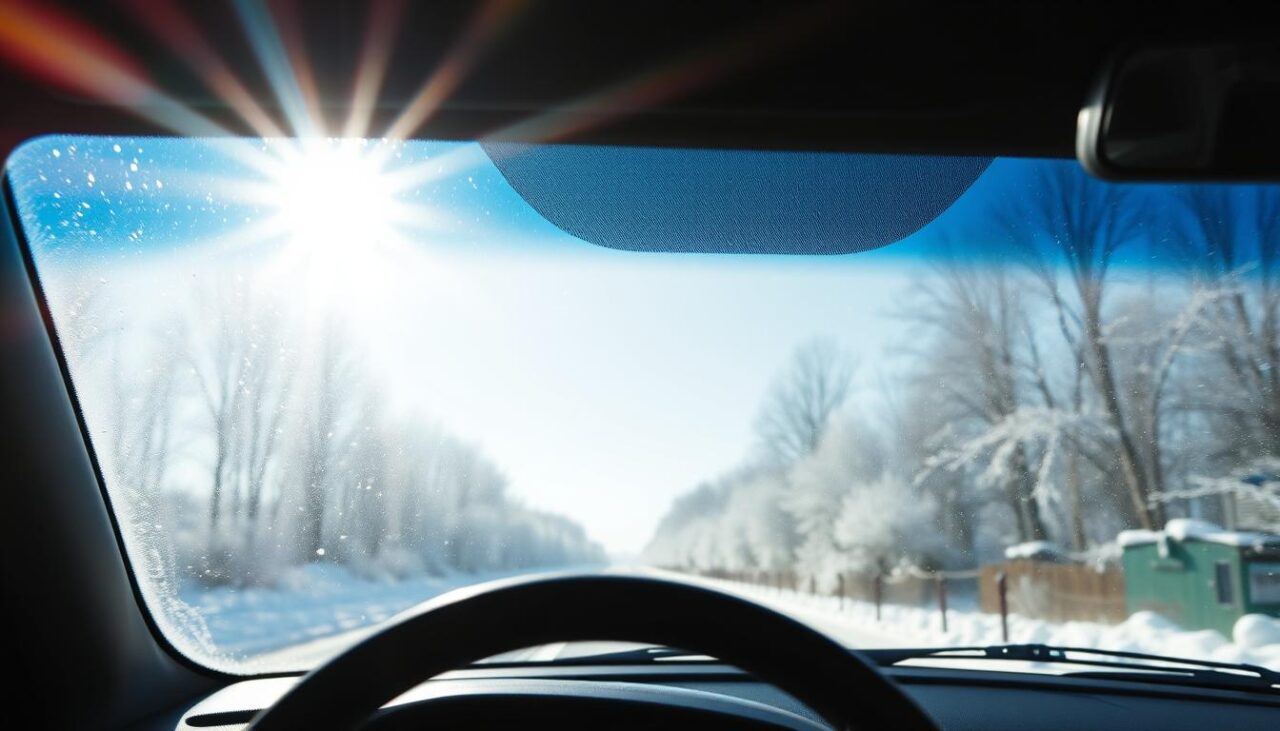
Exterior light check: Verify headlight low/high beams, fog, tail, reverse, parking, and both front and rear turn signals. Replace any light bulb that fails to illuminate or looks dim to restore night-driving performance.
- Brake lights matter — inspect brake light bulbs, including the center brake light. Replace an out bulb right away so following traffic sees you on leaf-covered roadways.
- If lenses are cloudy, schedule a professional headlight cleaning and a light bulb inspection and replacement to regain proper beam pattern and system output.
- Windshield clarity — repair chips before they expand, add a windshield treatment to improve water beading, and replace wiper blades that streak or skip.
When to get professional help: If you’re unsure which bulb fits, need aim adjustment after replacement, or notice persistent dimming, use a light bulb inspection and replacement service. That saves time and protects overall performance.
Car Care & Maintenance essentials: fluids, filters, and engine prep for colder temps
Get the cooling, lubrication, and air systems ready so the engine runs smoothly in cooler temps.
Coolant/antifreeze readiness: Check the coolant level when the engine is cold. Look for white, crusty residue at hose connections — that often means a leak. Fix leaks before scheduling a radiator coolant fluid exchange to restore freeze and boil-over protection.
Oil and cold starts: Verify oil level on level ground and perform an oil change with a new oil filter at the recommended interval. Fresh oil keeps viscosity where it should be and helps protect internal parts during chilly starts. If you’re near the interval, advance the oil change rather than just topping off.
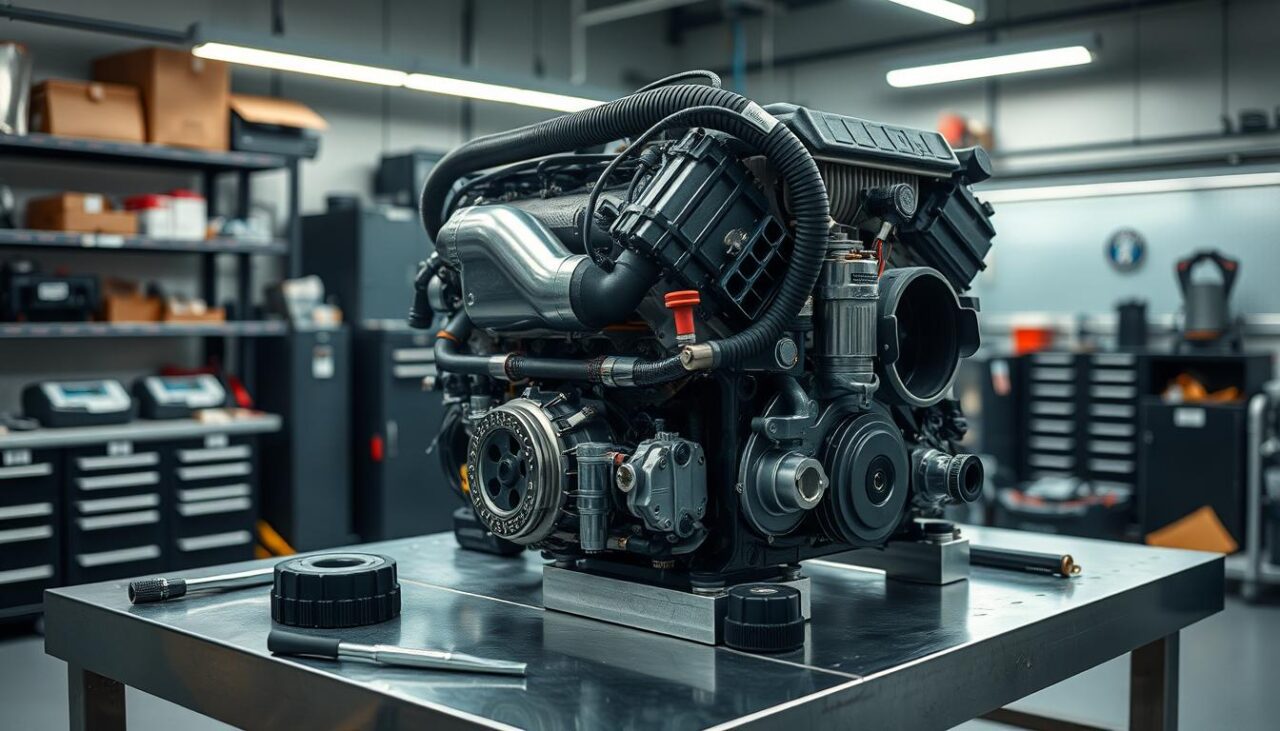
Air and fuel systems: Replace the engine air filter and the cabin air filter to improve airflow, heater and defrost performance, and emissions control. Use a fuel system cleaning and a fuel filter replacement to clear deposits and keep throttle response crisp.
- Check for rusty or contaminated coolant and oil mixing; book system service if found.
- Top off washer and transmission fluid between services to protect seals and shifting.
- Ask about a transmission fluid exchange if you tow or make many short trips.
Bottom line: Regular fluid and filter replacement is the surest way to keep engine performance steady and protect longevity engine through fall and winter.
Brakes, tires, and alignment: stopping power and traction before the first frost
Assess brakes and tires now so you avoid surprises when roads turn slick.
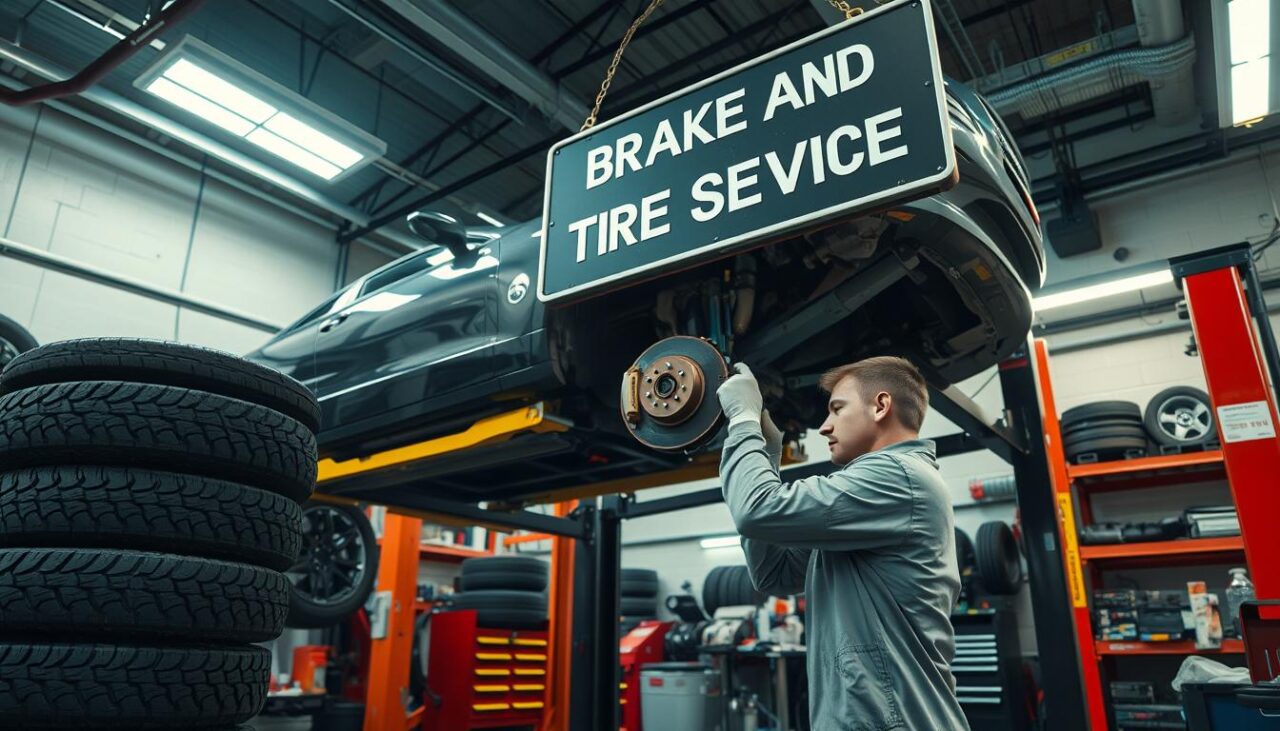
Regular inspections and targeted brake service
Schedule regular brake inspections before cold weather. A visual review with pad measurements gives a clear service recommendation.
If the pedal feels soft or fluid looks dark, book a brake fluid exchange to restore hydraulic performance. Address noise or vibration with rotor machining or replacement paired with new pads.
Tires for traction and TPMS checks
Check tire pressure weekly as temps fall—about 1–2 psi per 10°F drop. Rotate tires on schedule, balance wheels, and inspect tread depth.
If a nail appears, confirm repair standards for the casing and act fast to save the tire and preserve handling.
Alignment to protect tires and handling
Book vehicle alignment if the steering wheel is off-center or wear looks uneven. Proper alignment protects your tire investment and keeps emergency braking straight.
- Combine work: Pair brake and tire service in one visit to streamline repairs and set pressures, pads, rotors, and alignment together.
- After service: Bed new pads per instructions and recheck torque after a short drive for stable performance.
Diagnostics, battery reliability, and emissions compliance before winter
Run diagnostics now to prevent small faults from becoming winter breakdowns. A brief engine scan reveals trouble codes and produces a written report that outlines needed repairs. Early action keeps performance steady and cuts surprise repairs after the first freeze.
Check Engine Light on? Get a professional scan
Schedule engine diagnostic services to scan for trouble codes and get a clear written description. Technicians can pinpoint issues like ignition faults, evaporative emissions leaks, or sensor failures.
- Use the report to prioritize targeted repairs and protect other systems.
- Include a transmission check if shifting feels harsh or delayed.
- Request a follow-up test after repairs to confirm restored performance.
Battery maintenance and replacement to avoid no-starts
Test the battery before cold weather arrives. Terminal cleaning, cable replacement, and tightening reduce intermittent no-starts.
If capacity is low, choose battery replacement with proper fitment and responsible disposal. A fresh battery boosts morning starts and overall system reliability.
State inspections and emissions testing: book early
Book vehicle inspections and emissions testing ahead of the holiday rush. Passing now keeps registration current and lowers stress for winter trips.
- Consider a charging system check (alternator output and voltage drop) if you use heavy accessories.
- For complex electrical issues or suspected flood or rodent damage, work with an ASE-certified shop that offers towing and warranty-backed repairs.
- In Queens, NY, Essential Auto Care at 69-90 73rd Place, 11379, offers diagnostics, electrical work, and a 36-month/36,000-mile nationwide warranty.
Quick fall checklist: no warning lights, a strong battery test, a current inspection sticker, and clean emissions results—signs your vehicle is set for winter and improved longevity.
Conclusion
Complete a brief, action-oriented checklist now to protect vehicle reliability as temps drop.
Visibility, fluids, brakes, diagnostics, and a battery test top the list. Book a service window on the website to lock in parts and appointment times before cold weather arrives.
Prioritize an oil change and key fluid checks to keep engine protection strong. Confirm any transmission concerns, refuel before storms, and stash a small emergency kit in the trunk.
Choose a shop that documents work and uses quality parts for any replacement or repairs. Track receipts and intervals in one app or folder to support warranties and extend longevity.