

Keep your vehicle reliable and safe with a small set of actions you can do at home or ask a shop to handle. This guide shows the most practical steps any U.S. driver can follow to avoid surprise breakdowns and extend the life of the engine and systems.
Simple, routine care reduces common issues and protects value. We’ll break the top items into clear, actionable steps with suggested intervals and smart budgeting advice. Manufacturer guidance still matters, and you’ll learn how to pair that advice with general best practices.
No fluff—just straightforward guidance on oil, tires, brakes, fluids, lights, battery, belts, spark plugs, suspension, and visibility. Skim, bookmark, and apply these tips in phases so the routine feels manageable and keeps you confidently on the road.
Key Takeaways
- Routine care extends vehicle life and reduces unexpected roadside problems.
- Follow simple checks at home and regular shop intervals for best results.
- Focus on oil, tires, brakes, fluids, battery, belts, and visibility first.
- Combine general steps with your owner’s manual for tailored guidance.
- Preventive action is the most cost-effective path to dependable driving.
- Apply advice in phases to make upkeep practical and sustainable.
Why routine car maintenance matters right now for U.S. drivers
Consistent checks and small services catch small faults before they become big, costly problems. Regular attention helps you spot worn brakes, low fluid levels, or tire wear early—so issues don’t escalate into expensive repairs or roadside failures.
Daily travel, winter salt, and stop-and-go commuting raise service needs faster than steady highway miles. That means your schedule should reflect how you drive, not just mileage.
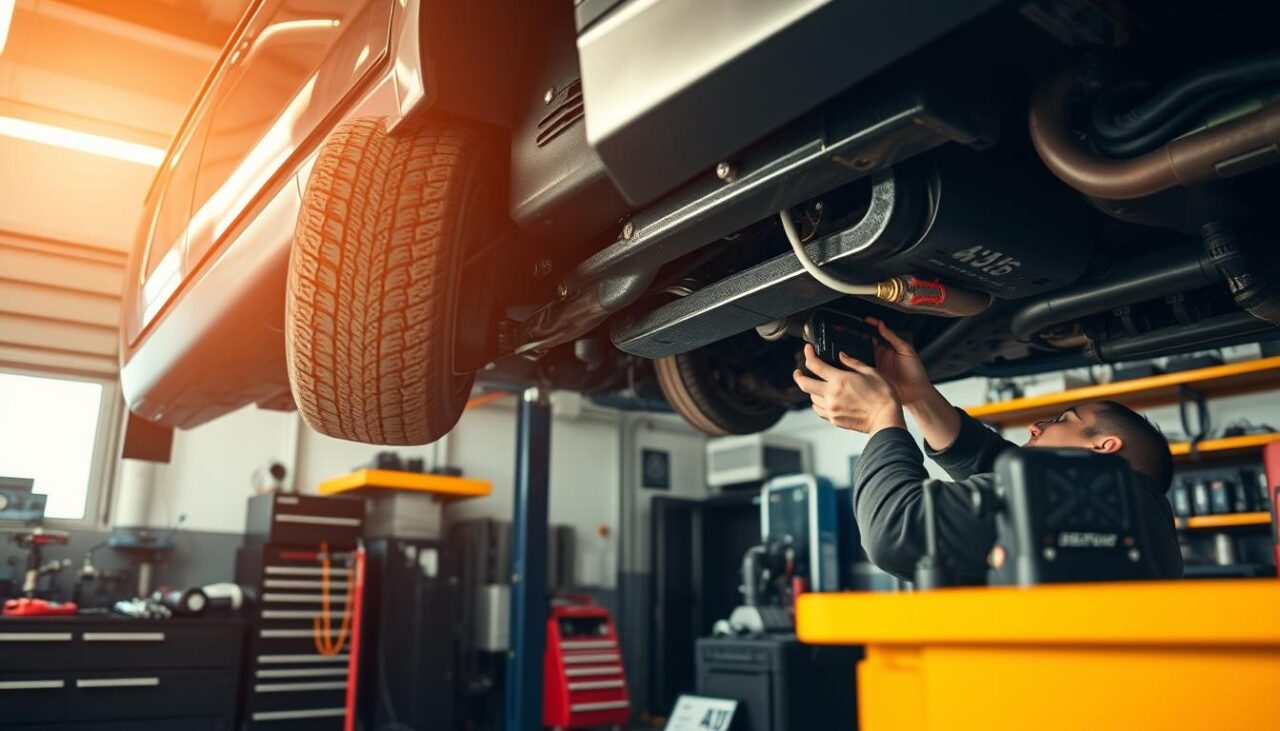
Safety and value are the big wins. Routine work improves handling on wet or icy roads and boosts resale value when you keep records. Small investments in inspections often prevent budget-busting fixes later.
- Check key fluid systems—engine oil, coolant, brake fluid, and transmission fluid—to reduce wear and heat stress.
- Fix worn pads or low coolant quickly to avoid cascades like damaged rotors or engine overheating.
- Follow state emissions rules and the owner’s manual for model-specific recommendations.
Start a simple service cadence now and you protect long-term component life, ride quality, and everyday confidence on the road. This guide will turn those recommendations into an easy plan you can follow without becoming a full-time mechanic.
Top car maintenance tips to extend vehicle life and safety
A few focused checks each month prevent small faults from turning into roadside emergencies. Follow this short, actionable checklist to protect the engine and key systems.
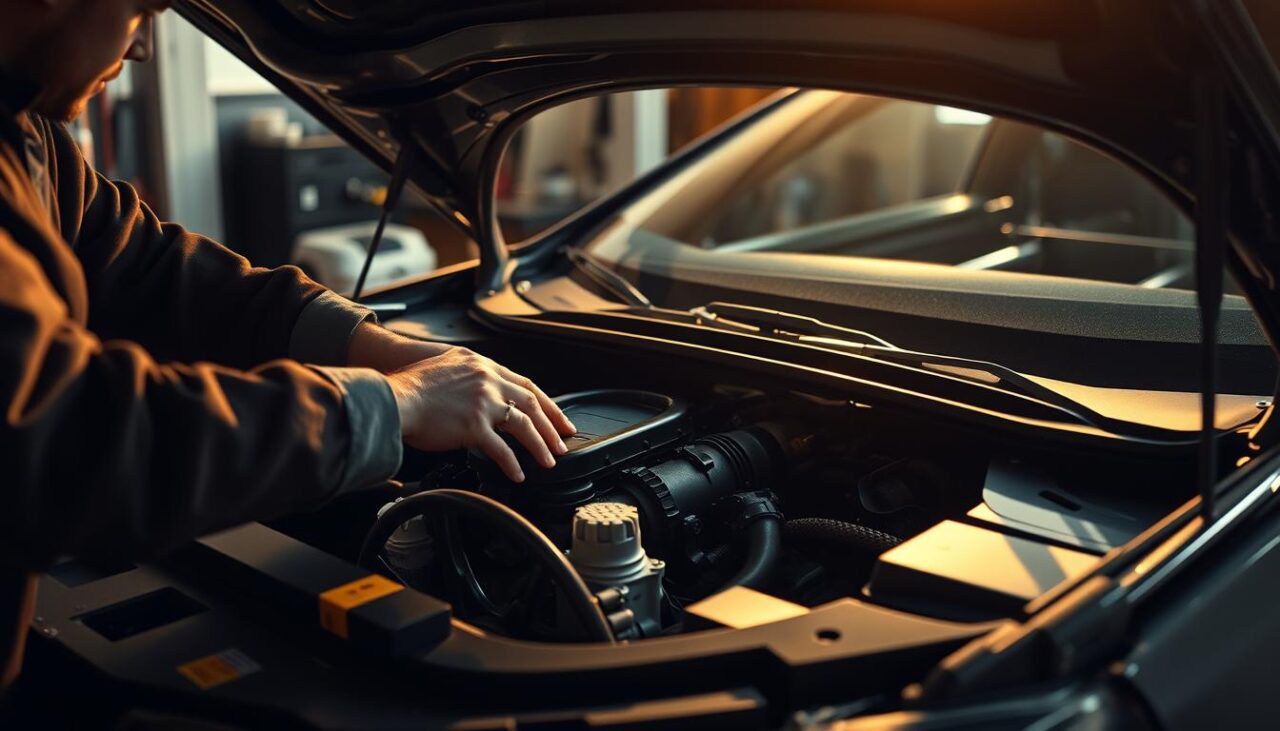
Change your oil on schedule for a healthier engine
Fresh oil and the correct viscosity guard moving parts from heat and wear. Aim for changes about every 5,000 miles and replace the filter at the same time.
Check tires, pressure, tread, and rotate regularly
Check tire pressure when cold with a quality gauge and set PSI to your manufacturer’s spec. Use the quarter test for tread depth and rotate tires every 3,000–5,000 miles to avoid uneven wear.
Brakes, fluids, battery, lights, and wipers
Listen for squeaks and feel for pulsation; inspect pads and brake fluid color. Monitor coolant, transmission, and power steering fluid levels twice a year.
“Prioritize brakes, wipers, and lights for immediate safety gains.”
- Test the battery twice a year and clean terminals.
- Replace windshield wipers seasonally and verify headlights and turn signals monthly.
- Inspect belts, hoses, shocks, and spark plugs at recommended intervals.
Quick checklist: oil at ~5,000 mi, tire rotation 3k–5k, coolant twice yearly, spark plugs ~30k, and keep a ready spare tire. Small, regular checks extend life and reduce costly damage.
Maintenance intervals and a smart-budget checklist
A clear schedule and simple checks keep service predictable and avoid surprise bills. Use this short plan to time work and save for normal wear.
Recommended service intervals
Set reminders for core tasks: oil and filter changes about every 5,000 miles, tire rotations at 3,000–5,000 miles, and cabin air filter replacement at 12 months or 12,000 miles.
Check coolant twice yearly and inspect spark plugs near ~30k miles for steady engine performance and better fuel economy.
Annual and state requirements
Mark your calendar for your state’s emissions inspection and run monthly lighting checks. Testing headlights, brake lights, and turn signals helps you pass inspections and stay safe on the road.
Set up a sinking fund
Create a small monthly savings line to cover routine changes, parts, and minor repairs. Prioritize oil, tires, brakes, lights, and coolant first if money is tight.
Quick checklist: oil every 5,000 miles, rotate tires 3k–5k, cabin filter 12k, coolant twice yearly, spark plugs ~30k.
- Track dates and miles in an app or glovebox card.
- Follow manufacturer recommendations for transmission fluid and radiator checks.
- Work with a trusted shop and ask for written estimates and warranties.
Conclusion
A short list of steady checks keeps your vehicle reliable and saves you money.
Recap the payoff: focus on oil changes, tire care and tread checks, brake inspection, fluids, lighting, wipers, and shocks to protect the engine, reduce wear on parts, and extend vehicle life.
Act this week: pick one system — lights or headlights, brake function, tire pressure and tread, or windshield wipers — and schedule fixes so the vehicle feels solid on the road.
Log today’s mileage and dates in a simple record to follow intervals without guesswork and keep condition sale-ready. If you notice vibrations, longer stopping distances, flickering lights, or fluid spots, book a professional inspection right away.
Ready to keep your vehicle running smoothly? Schedule service with a trusted local department such as James Wood Chevrolet Denton for prioritized recommendations, written estimates, and convenient booking. Use your budget checklist to set aside funds monthly so routine parts and work never derail your plans.