Ready to hit the road with confidence? This short checklist outlines essential steps to help ensure your vehicle is road-trip-ready today. It focuses on safety, reliability, and steady performance from bumper to bumper.
Start with the basics: check fluids and filters, confirm tire tread and inflation, and inspect brakes and lights. A quick engine health check and a short test drive can reveal minor issues before they grow.
We also explain when to follow vehicle manufacturer recommendations and when to schedule professional service. The guide separates simple at-home checks from shop-level work so you can plan time and budget without sacrificing safety.
Key Takeaways
- Use a clear maintenance checklist to spot risks before a trip.
- Inspect fluids, filters, tires, brakes, and electrical systems early.
- Do simple home checks and book service for complex repairs.
- Follow manufacturer recommendations to protect performance.
- Keep records to help keep value and guide future service.
Pre-Trip Essentials to Help Ensure a Safe, Smooth Ride
A quick document check can reveal overdue items that should be fixed before long highway miles.
Start by checking vehicle service records against the vehicle manufacturer recommendations. This helps ensure you don’t miss scheduled items and shows whether an oil change or other maintenance is due.
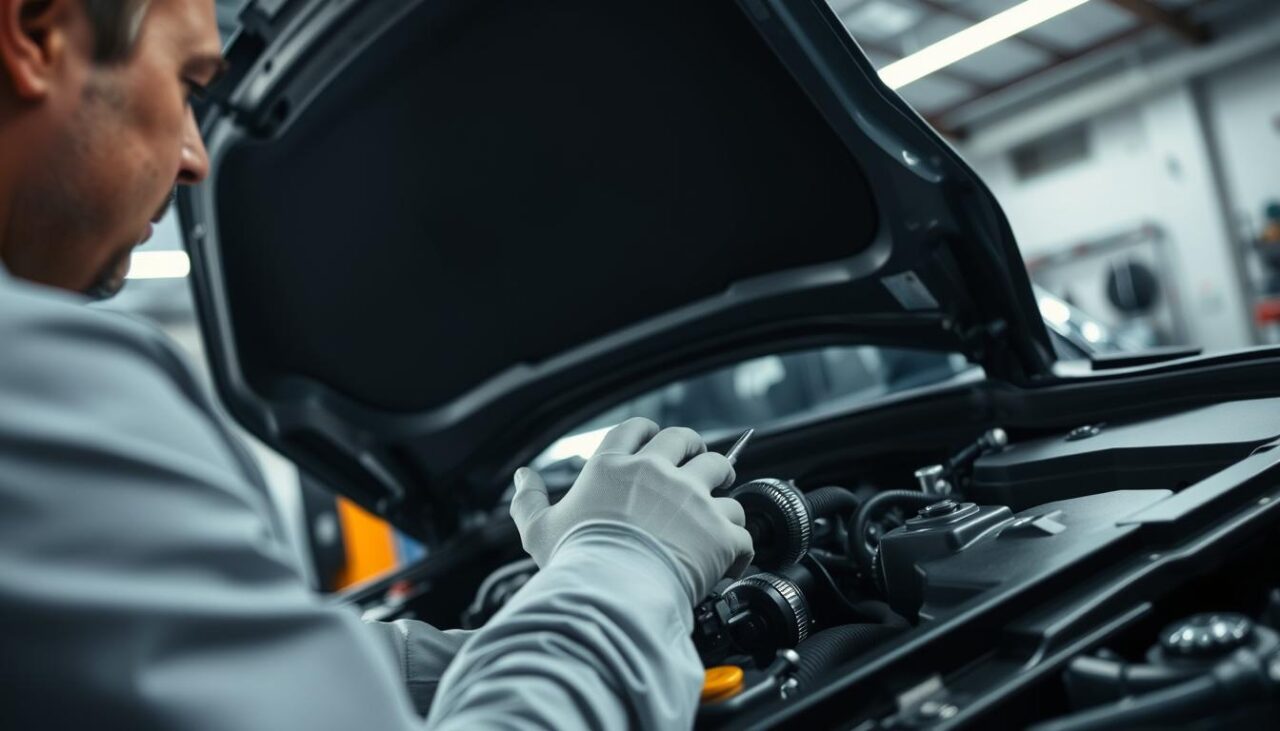
Do a brief under-hood scan with the engine cool. Verify oil on the dipstick, inspect coolant fluid in the reservoir, and look for damp spots or visible leaks around hoses and caps to protect engine performance.
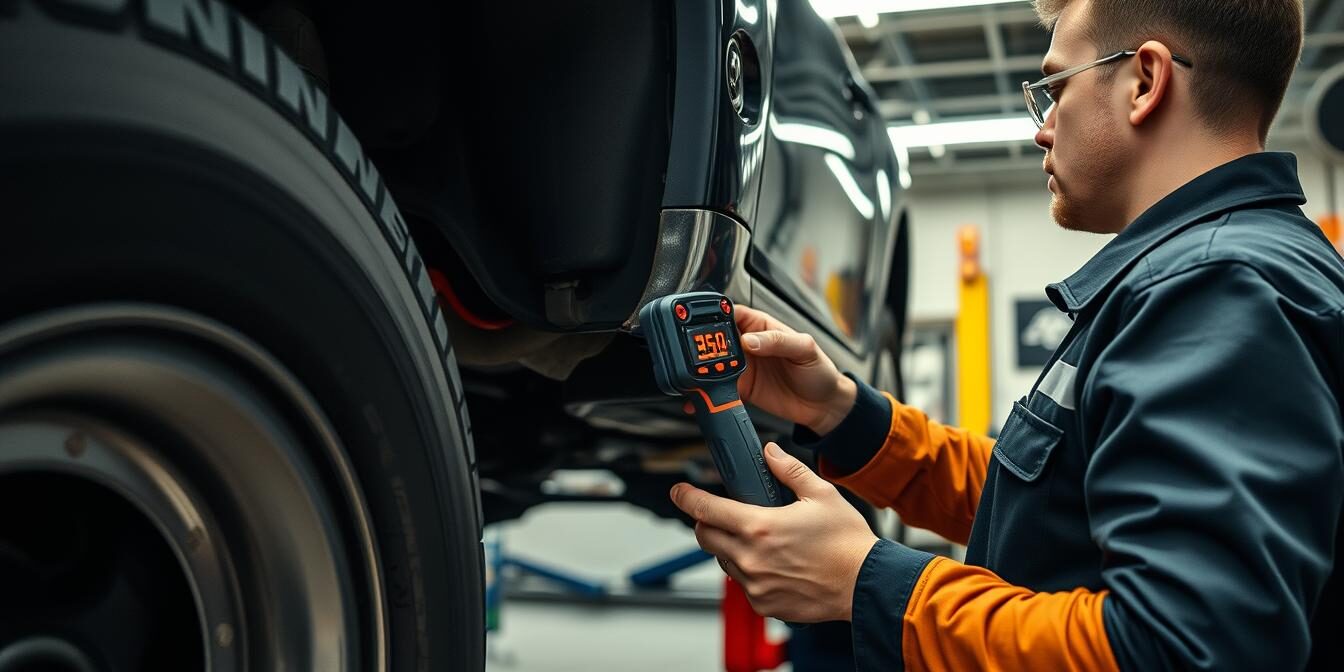
Use a gauge to confirm tire pressure on all tires and the spare. Remember pressure drops roughly 1 psi for every 10°F decrease; adjust for load and expected temps to support a smooth ride.
- Walk around the car and check headlights, turn signals, and brake lights.
- Take a short test drive at city and highway speeds to listen for noises, feel vibrations, and monitor warning lights.
- If any system shows irregularities, book a quick professional check before departure.
Car Care & Maintenance: Fluids and Filters You Should Inspect Before Driving
A quick fluids-and-filters check can prevent breakdowns and preserve engine life. Focus on levels, color, and service intervals so systems perform reliably on long trips.
Motor oil and oil filter
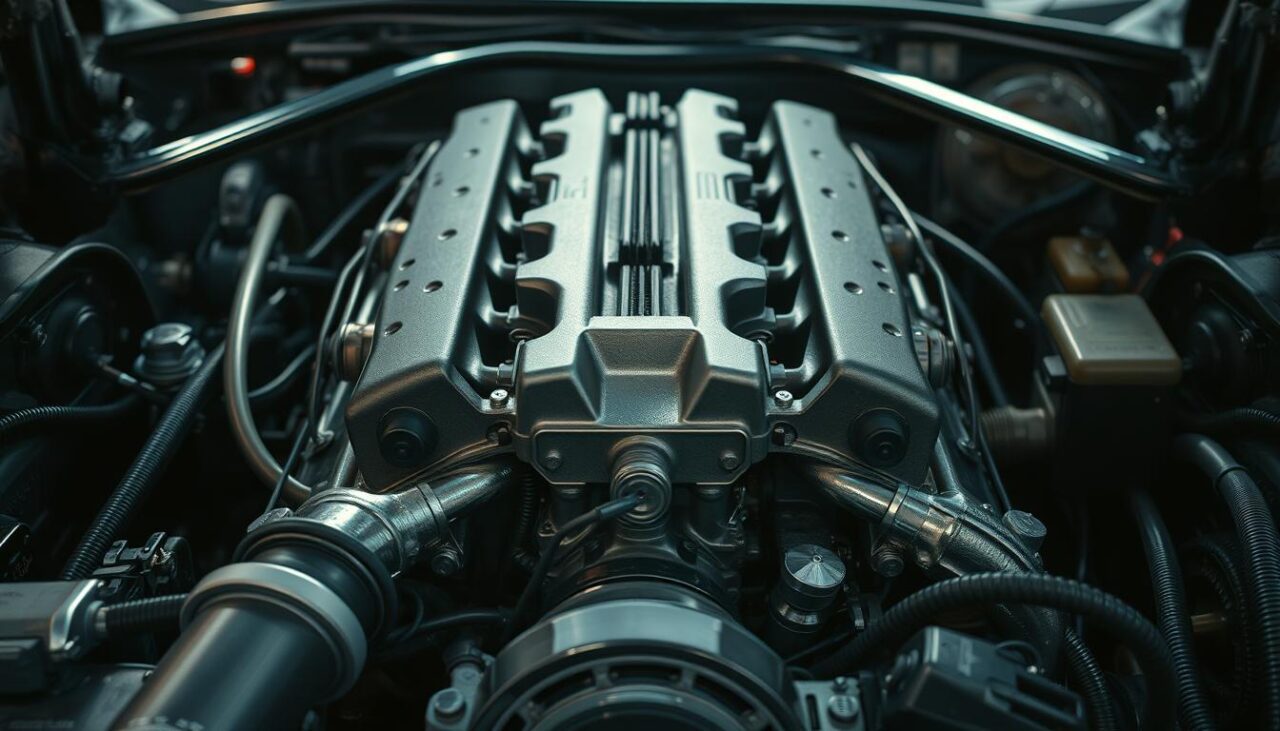
Verify oil on the dipstick and top off if low. Schedule an oil and filter change per the vehicle manufacturer—some models still need service every 3,000 miles; many modern engines go 5,000–10,000 miles.
Coolant and transmission fluid
With the engine cool, inspect coolant fluid level and clarity. A radiator coolant fluid exchange removes contaminants and helps keep engine cool in hot and cold weather.
Check transmission fluid color and smell. A timely transmission fluid exchange restores lubricity and helps preserve shift quality and overall performance.
Transfer case, differential, and hydraulic fluids
On 4×4/AWD vehicles, inspect transfer case fluid and differentials for leaks and proper fill. Follow manufacturer intervals for case fluid or differential service.
Consider brake fluid and power steering fluid exchange if dark or overdue; exchanges help keep braking response and steering assist consistent.
Filters and fuel system
Replace a dirty engine air filter to support engine performance and efficiency. Swap the cabin air filter to improve HVAC flow and defrosting.
If you notice rough idle or drop in MPG, schedule a fuel system cleaning and fuel filter replacement to help maintain reliable performance.
- Tip: After major service, use complimentary fluid top-offs (often within 3,000 miles) to keep oil, transmission, transfer case, differential, and washer fluids at proper levels.
- Visually inspect the serpentine belt for cracks or glazing; replace if worn to protect charging, steering, and cooling systems.
Tires, Alignment, and Suspension Prep for Confident Handling
Good tire health plays a big role in how steadily your vehicle tracks and handles on long stretches of road. Monthly checks and a quick pre-trip inspection help ensure safe steering and stable performance.
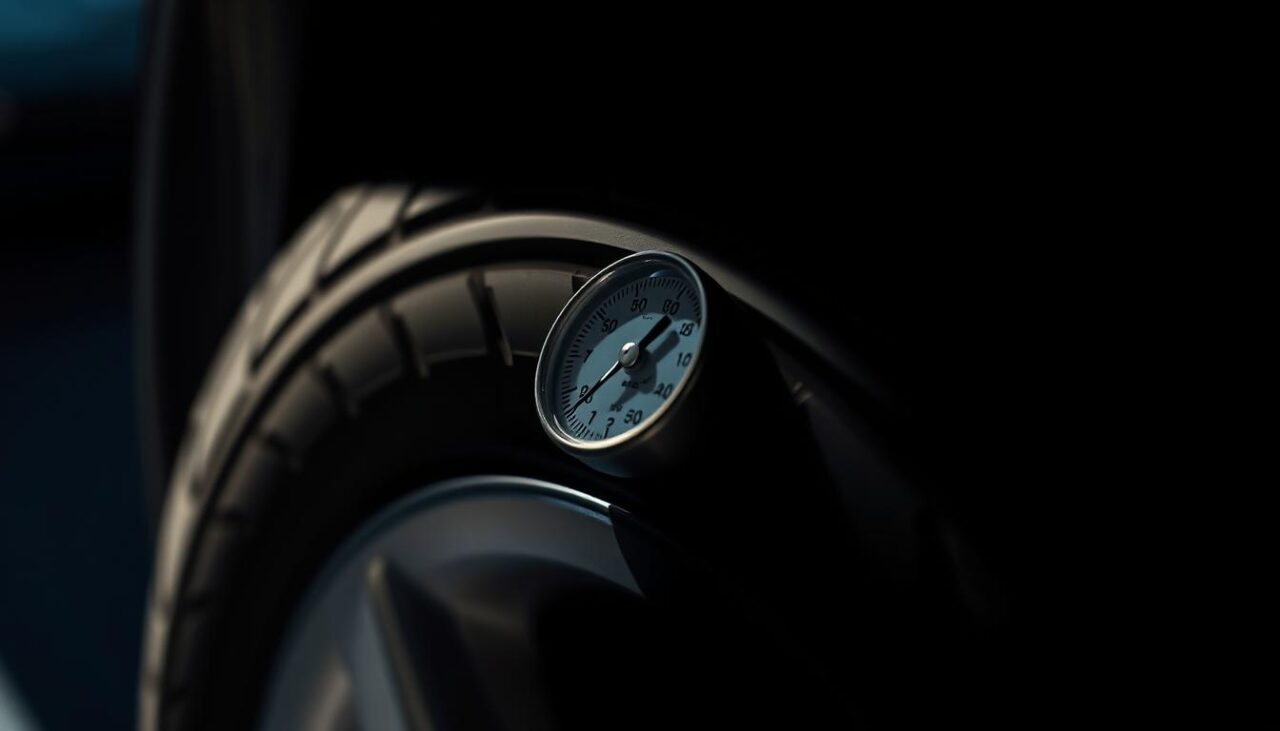
Tire pressure and tread depth
Check tire pressure on all tires and the spare with a quality gauge. Remember pressure drops ~1 psi for every 10°F change and when you carry extra cargo.
Measure tread depth across the tread to spot uneven wear and decide if replacement or rotation is needed.
Tire rotation and wheel balancing
Rotate tires per the schedule to even wear and reduce road noise for a quieter ride. If you feel a shimmy or seat vibration at speed, wheel balancing reduces highway vibrations and protects suspension parts.
Alignment and suspension
Book vehicle alignment for off-center steering, drifting, or uneven wear. Proper vehicle alignment improves tire longevity and passenger comfort.
Inspect shocks and struts for leaks, bounce, or clunks. Have a professional check around 50,000 miles or sooner if you notice poor handling.
- Tip: In freezing regions, switch to winter tires—their compound and tread grip snow, slush, and ice better than all-season options.
- Use TPMS and prompt repair services to avoid sidewall damage and preserve system performance before a long trip.
Electrical, Brakes, and Visibility Checks Before You Go
Confirming battery load, ignition parts, braking condition, and glass/wiper performance helps avoid common trip failures.
Test the car battery before extreme heat or cold. A load test flags weak cells and Jiffy Lube-type services can clean terminals, tighten cables, and replace battery hardware. Proper testing and disposal of old batteries reduce the chance of a no-start and help keep accessories powered.
Inspect spark plugs and follow the manufacturer recommendation for replacement. Fresh spark plugs restore dependable starts and smoother idle. If a Check Engine Light appears, run an engine diagnostic to pinpoint ignition or fuel issues.
- Schedule a brake inspection to measure pad thickness and rotor condition; machine or replace rotors/drums as needed.
- If brake fluid is dark or contaminated, a brake fluid exchange improves pedal firmness and hydraulic corrosion resistance.
- Check the serpentine belt for cracks or glazing and replace if worn to keep engine-driven systems—charging, power steering, and A/C—running smoothly.
- Verify headlights, turn signals, and bulbs; clean cloudy lenses and aim lights for full visibility at night.
- Replace wipers that streak, repair small windshield chips, and add a hydrophobic treatment to improve wet-weather sightlines.
Final step: after service, road test the vehicle to confirm quiet operation, firm braking, bright lighting, and clean wipe patterns. Address any remaining noises or warnings before departure.
Conclusion
Before you leave, run a final maintenance checklist that covers fluids, tires, visibility, and records.
Quick tip, match service items to your vehicle manufacturer recommendations and prioritize motor oil, oil filter, transmission fluid, and coolant to help maintain reliability on long driving days.
Check tires for proper pressure and tread, consider vehicle alignment or winter tires when temps hit freezing, and schedule transfer case and case fluid checks for 4×4/AWD rigs.
Replace the engine air filter and wipers as needed, log each service, and keep concise records. These steps help ensure a safer, smoother ride and help keep vehicle value over time.