
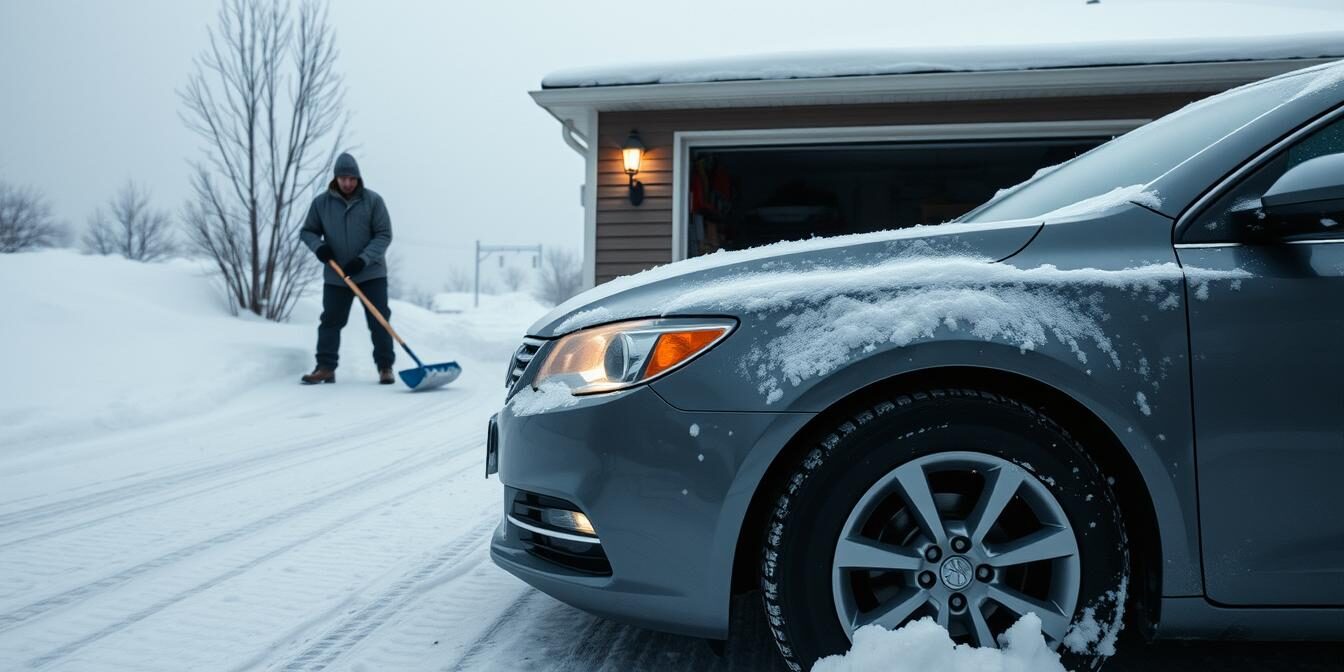
Get ready for winter with a clear plan. Short checks now can prevent big problems later. This guide shows simple steps to protect your vehicle from snow, ice, salt, and short daylight hours.
Start with basics: check oil and coolant, confirm tire tread and pressure, test lights, and inspect battery performance. Swap wipers and fit winter tires when temperatures stay at freezing or below.
Follow a routine schedule and document intervals so you align with the owner’s manual. Waxing twice a year helps shield paint from salt and grime. Keep a small kit of tools and emergency gear for slick road conditions.
Focus on what matters most: fluids, tires, visibility, and the charging system. These actions cut the chance of costly repairs and keep you safer during cold-month driving.
Key Takeaways
- Regular checks of fluids, tires, lights, and battery reduce winter risks.
- Swap to winter tires and replace wipers when temperatures drop consistently.
- Wax twice yearly to protect from salt and corrosion.
- Keep basic tools and an emergency kit for icy roads and quick repairs.
- Document intervals and follow the owner’s manual for service timing.
Winter-Ready Essentials: What to Check Before Snow and Ice Hit
Cold mornings expose weak components—catch issues with a short, focused check. Start by confirming oil and coolant levels with the engine cool. Low levels reduce lubrication and raise the risk of engine damage in freezing weather.
Pressure, tread, and tire choice
Check tire pressure monthly and before long trips; expect about a 1 psi drop per 10°F change. Use the penny method to inspect tread depth and consider winter tires for improved grip in snow.
Battery and starting power
Test battery output because cold reduces cranking amps. Replace a weak unit now to avoid no-start mornings.
Visibility and lighting
Replace windshield wipers yearly and fit winter blades if storms are likely. Lift blades when parked in icy weather. Walk around and test headlights, turn signals, brake, and parking lights against a flat wall.
Air filter and paint protection
Keep the engine air filter clean to preserve power and lower emissions. Wax your vehicle every six months to protect paint from salt and corrosion.
- Top off fluids per the owner’s manual and carry basic tools like a pressure gauge and flashlight.
- Act on failures: dim lights, rapid pressure loss, or streaking wipers mean prompt replacement.

Car Care & Maintenance Planning for Winter Months
Create a short, dated checklist to capture each inspection and service through the cold months. A simple log helps you track dates, miles, and parts so tasks don’t slip when weather worsens.
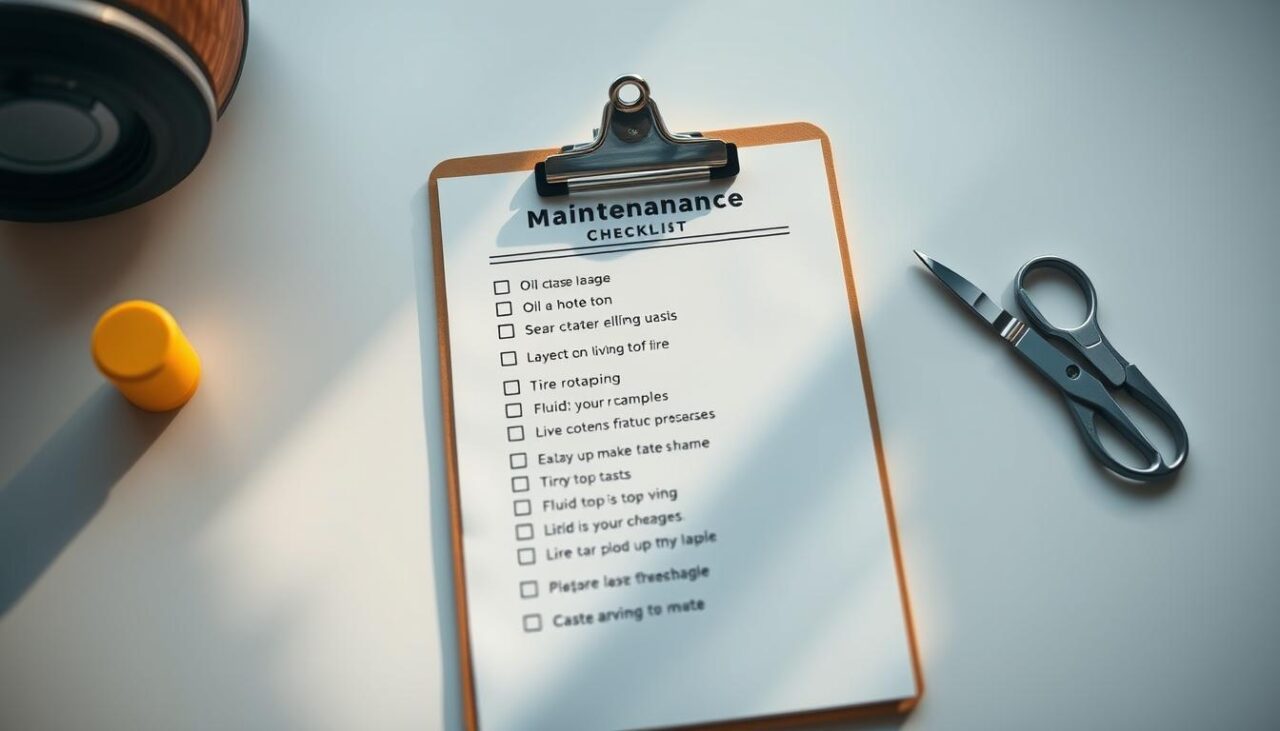
Build a winter maintenance checklist and service interval record
Use a downloadable maintenance checklist to note service dates, miles, and findings. Share this record with your technician to speed diagnostics and support resale value.
Short-term checkups: oil, coolant, tire pressure, lights, and filters
Schedule short-term inspections for oil and coolant levels, air filter condition, tire pressure and tread, and all exterior lights. Align oil and oil filter changes to manufacturer guidance—some vehicles need service around 3 months or 3,000 miles; others stretch to 5,000–10,000 miles.
- Check tire pressure monthly and before trips; expect ~1 psi loss per 10°F drop.
- Record air filter checks to preserve performance on short cold starts.
- Keep essential tools—like a tire gauge and work light—by your log for quick checks.
Cold-Weather Reliability: Long-Term Systems That Prevent Winter Breakdowns
Winter stresses hidden systems. A few targeted inspections of long-life components help avoid failures when temperatures drop.
Engine oil and oil filter intervals matter in low temps. Cold thickens oil and raises wear, so follow the manufacturer’s guidance. Some vehicles need changes near 3,000 miles; many modern engines run 5,000–10,000 miles between services.
Coolant and antifreeze protect against freeze damage. Have the coolant system flushed per schedule and use a 50/50 antifreeze-to-water mix to keep heat transfer efficient and prevent corrosion.
Transmission fluid and transfer case fluid keep shifts smooth and torque flowing to all wheels. Check levels and replace per the service manual to avoid rough shifting in the cold.
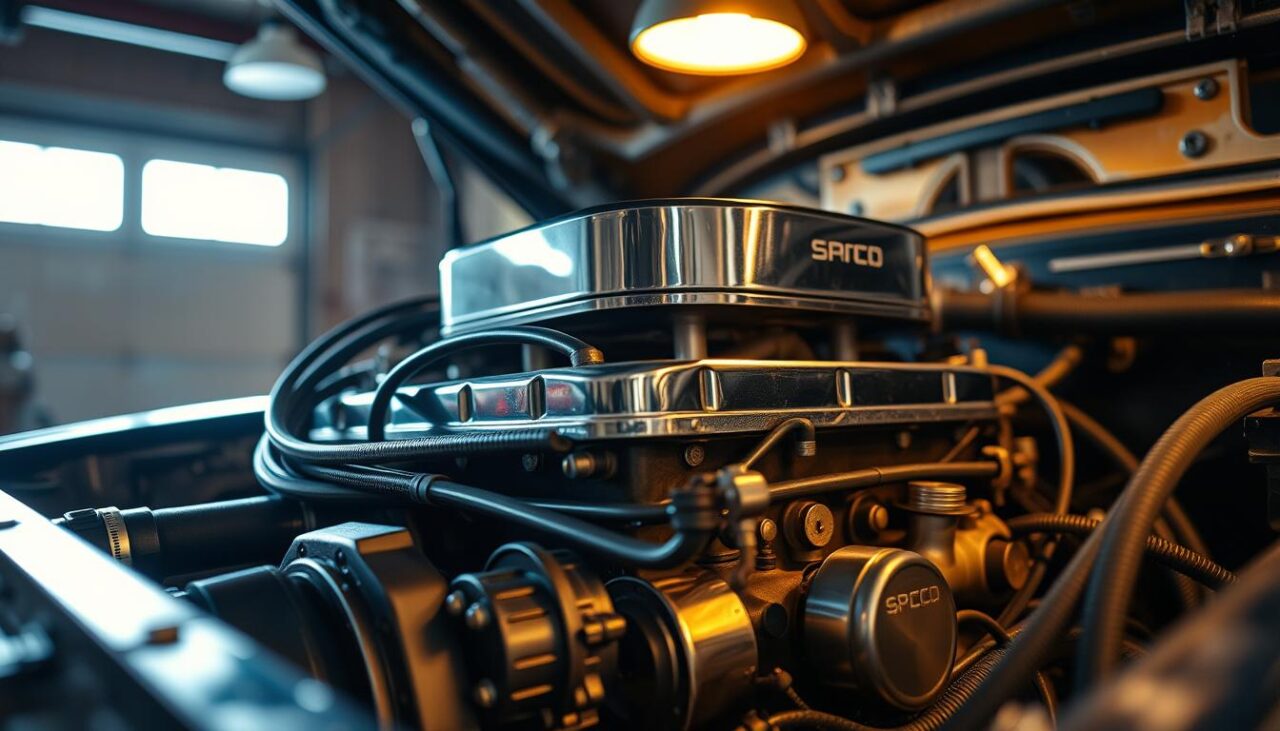
Spark plugs affect cold starts. Replace plugs on the maker’s timeline to maintain reliable spark and quick cranking when temps drop.
Inspect the serpentine belt for cracks or glazing. It powers the alternator and power steering, so a failure can sap battery output and steering assist.
- Have shocks, struts, and differentials checked around 50,000 miles or sooner if ride quality falls.
- Use miles-based reminders for long-term items and log services to reduce winter repair risk.
When to Visit a Shop: Professional Repairs and Services That Keep You Safe
Schedule a shop visit before the first frost to verify critical systems and avoid emergency repairs on icy mornings. A proactive check catches issues that quick at-home checks can miss.
Battery, brakes, radiator, and heating system diagnostics
Have the battery load-tested and the cooling system pressure-checked. Technicians measure coolant protection levels and confirm the radiator and heater core work under cold conditions.
Brakes deserve fast attention if you feel pulsing pedals, hear squeals, or notice longer stopping distances. Professional repair prevents rotor and caliper damage and reduces future costs.
Tire rotation, alignment, and balancing for winter handling
Ask the shop to rotate and balance tires and to perform a wheel alignment. Proper service improves steering response and evens tread wear for safer traction on slick roads.
Technicians can also recommend winter tire replacement and check the transmission fluid and transmission condition to ensure steady shifts in low temperatures.
- Inspect serpentine belt and accessory drive to confirm pump and power functions.
- Use dealer-spec replacement parts and manufacturer fluids to protect warranties.
- Trust ASE-certified shops like Omar’s Car Care Center in the South Bay for diagnostics and repairs; call 1-(408) 279-0576 for appointments.
Conclusion
End with a practical routine that guards the engine and tires from winter wear.
, Keep checks simple: verify oil and coolant levels, test tire pressure, and confirm lights and filters regularly. Replace wipers and swap to winter tires when temperatures drop to freezing or below.
Log dates and miles so long-term items—spark plugs, belts, transmission fluids, and shocks—get timely replacement. If a symptom feels uncertain, book professional service to apply the right torque, fluids, and diagnostics.
With steady inspections and a compact plan, your vehicle will use less gas, resist corrosion, and arrive safely through cold months and snow.