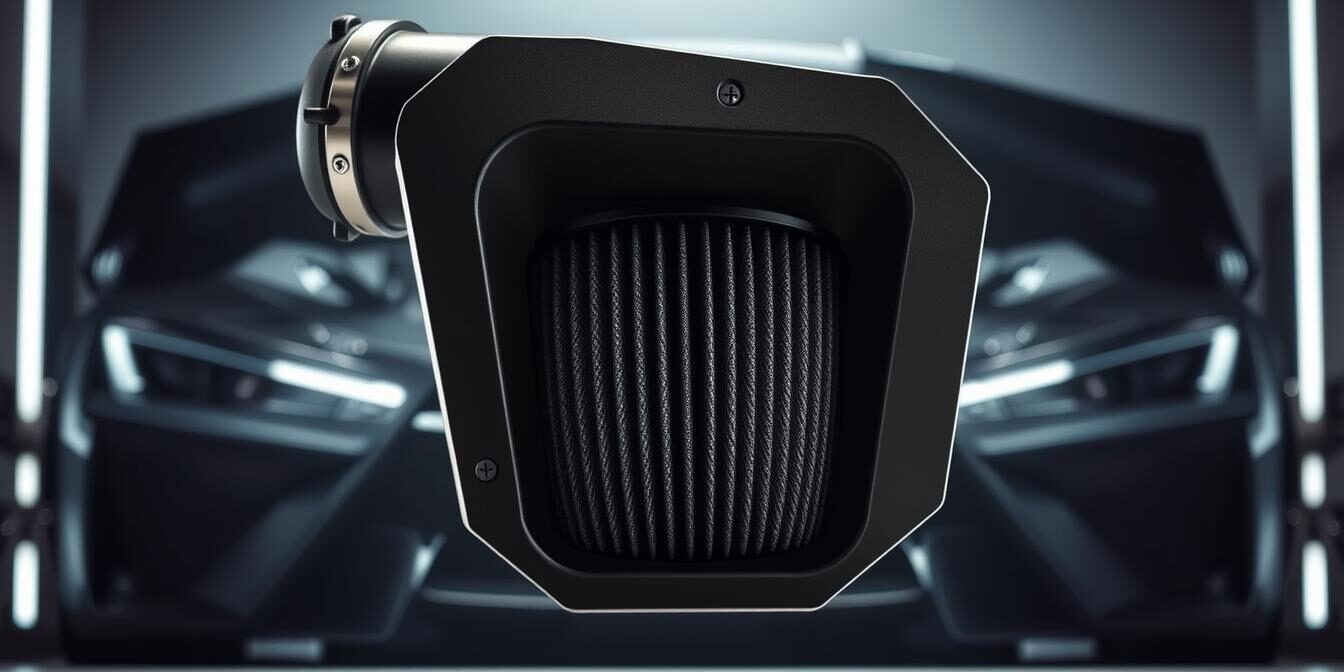
This buyer’s guide explains what a cold air intake can and cannot do for your car.
The kit supplies cooler, denser air to the engine, which can improve throttle response and yield modest horsepower gains when paired with a proper tune.
We put gains, costs, and trade-offs into context, including which vehicles benefit most and how daily driving or track use changes the equation.
You’ll find a clear view of ownership costs, maintenance, warranty and emissions issues, and compatibility with other modifications like tunes, exhaust, wheels, and brakes.
Typical numbers from shops and enthusiast tests range from about 5 to 20 horsepower on many platforms when installed and tuned correctly.
Read on to learn how installation and calibration affect real-world results and why data logging removes guesswork.
Key Takeaways
- A cold air intake can improve engine performance, throttle feel, and sometimes efficiency.
- Expect modest horsepower gains (commonly 5–20 hp) with proper tune and fitment.
- Value depends on vehicle type, driving style, and total ownership cost.
- Consider warranty, emissions, and maintenance before you buy.
- Combine a CAI with tunes and exhaust for better returns than a standalone change.
Cold Air Intakes at a Glance: What They Are and Who They’re For
A cold air intake swaps stock ducting so the engine draws cooler outside air instead of warm underhood air. This change can improve throttle feel and help combustion efficiency on internal combustion cars without altering the core engine design.
ICE vs. EV: Why traditional air intakes don’t apply to Teslas and other electric vehicles
Electric vehicles have no combustion chambers, so traditional air intake systems provide no benefit. EV owners get more meaningful gains from suspension and brake upgrades, such as coilovers, sway bar kits, and big brake assemblies.
Catalogs for Tesla models show coilovers (for example, premium Öhlins kits) and carbon ceramic brake kits with clear price ranges. These parts target handling and stopping, which matter more to EV drivers than intake mods.
Daily drivers, weekend warriors, and track builds: aligning the mod to your vehicle use
Daily drivers often choose a CAI for improved sound and modest gains while keeping the system emissions-legal and compatible with stock tuning for steady fuel efficiency.
Weekend enthusiasts usually pair an air intake with a cat-back exhaust and a flash tune to unlock better airflow synergy without killing reliability.
Track-focused builds treat intake location, duct routing, and heat shielding as critical. But builders also weigh whether the intake delivers enough real-world gains versus investing in cooling, tuning, or forced-induction changes.
- Tip: Evaluate how you drive—urban, highway, canyon, autox, or track—before replacing stock components.
- EV owners: Redirect budgets to suspension, brakes, and tires for the biggest returns on handling and safety.
How a Cold Air Intake Works to Improve Engine Performance
A well-designed cold air intake reshapes airflow to feed the engine cooler, denser air where it matters most.
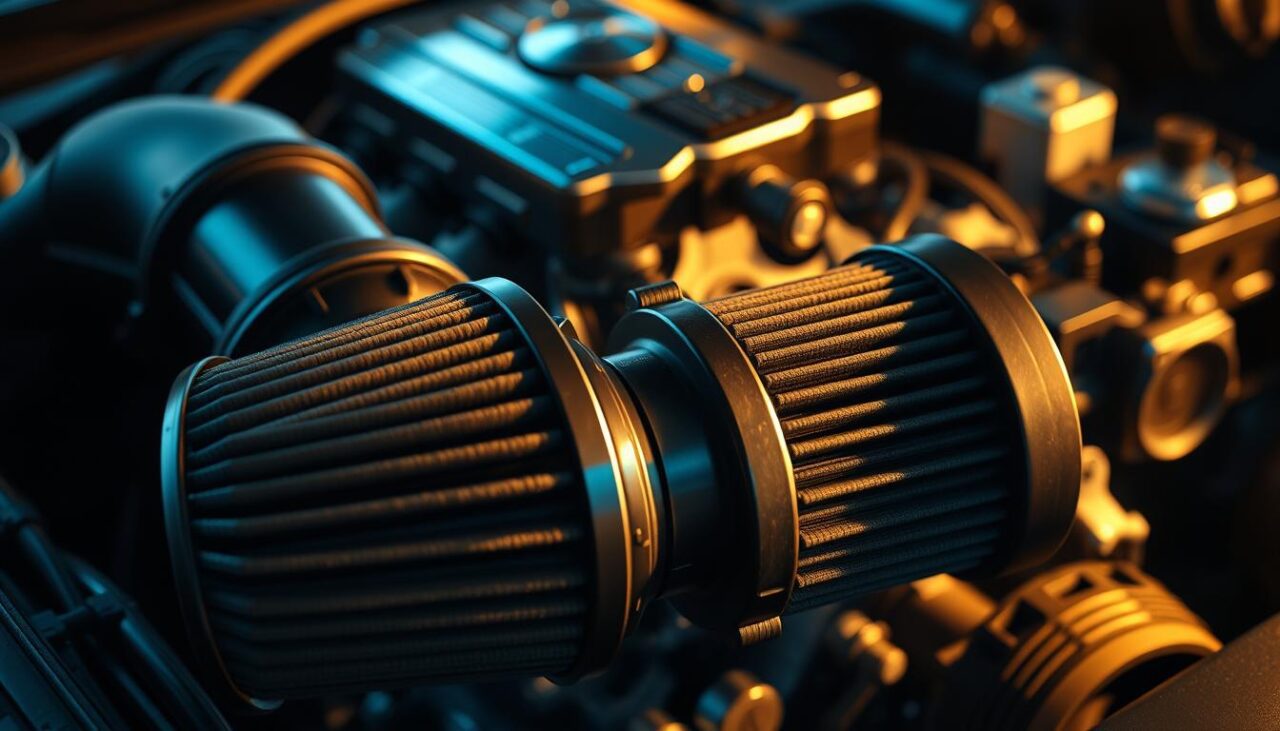
Cooler, denser air raises oxygen per volume. That extra oxygen helps combustion be more complete, which can yield modest gains in engine performance and throttle feel when fueling and timing match the new airflow.
Cooler, denser air and oxygen: the combustion advantage
The intake repositions the filter to draw ambient air and uses smoother, larger tubing to cut restriction.
This increases mass airflow so the motor can make better use of fuel under load.
Airflow paths, heat soak, and filter design considerations
Routing avoids sharp bends and abrupt diameter changes to reduce turbulence and pressure loss.
- Heat soak: isolate and shield the inlet or gains disappear and efficiency can drop.
- Filter media: high-flow elements lower restriction but must still stop particulates.
- Sensor placement: MAF/MAP housings must preserve signal fidelity or require calibration.
“Airflow design and proper calibration determine whether an intake helps or just changes sound.”
Bottom line: a cold air intake is one link in the system. For reliable results, pair the part with proper tuning and attention to heat isolation, filter choice, and sensor integrity.
Real-World Gains: Horsepower, Throttle Response, and Fuel Economy
On real roads and dynos, cold-air systems most often deliver modest peak power gains and a bigger change in throttle feel and sound.
Typical results: 5–20 horsepower and where you’ll feel it most
Measured gains on many naturally aspirated and factory-turbo cars fall between 5 and 20 horsepower when paired with proper calibration.
The change is easiest to notice in throttle response and induction tone during spirited driving. High RPMs show the largest gains, while midrange can improve if airflow is smoothed and the MAF/MAP signal stays stable.
When will MPG improve, stay flat, or decline?
Fuel economy may tick up slightly during steady cruising if the engine runs more efficiently with denser intake air.
However, real-world MPG often stays flat or falls if drivers exploit the new sound and sharper response. Intake location and heat shielding matter—hot air defeats gains, so log intake-air temps to verify results.
“Baseline and post-install dyno or VBOX data remove guesswork and show what actually changed.”
- Cars with cramped factory boxes usually see the clearest returns.
- Pairing the intake with a cat-back and tune makes gains more consistent.
- Chassis items like a sway bar, quality wheels, and tuned suspension often improve lap times more than intake power alone.
Cost, ROI, and Total Ownership: Is It Worth It Today?
Deciding whether a cold air intake pays off means weighing purchase cost, long‑term upkeep, and how it fits your driving goals.
Upfront price vs. long‑term value: entry kits can be inexpensive, while high‑end units add cost for materials and fitment. Include filter service, possible tune time, and validation (dyno or datalogging) when you calculate ROI.
Tuning and the driving experience: for street cars, the main returns are sharper throttle feel and a richer induction note. Track users need robust mounting and thermal control to keep gains consistent through laps.
Budget for a tune if your car has sensitive airflow metering; this protects fuel economy and drivability and ensures any peak gains are real.
Common mistakes that erase gains
- Drawing hot underhood air or placing the inlet near heat sources.
- Poor fitment causing leaks downstream of the MAF sensor.
- Skipping calibration on cars that require ECU changes.
“Value depends on platform and goals—sometimes suspension changes like coilovers or big brake kits move the needle more than a few extra horsepower.”
Performance & Upgrades Alternatives: Where a Cold Air Intake Fits in Your Mod Path
Start by fixing the limiting factor in your car—fueling, boost control, brakes, or chassis—and then add an intake to complement it.
Flashes and tunes often deliver larger gains than a stand‑alone intake by changing boost control, fuel maps, and ignition timing to match new airflow. A tuned ECU also helps make exhaust and intake changes additive rather than marginal.
Exhaust and forced induction
A free‑flowing performance exhaust reduces backpressure and works with intake flow to raise torque. Turbo or supercharger kits dwarf bolt‑on gains, but they require cooling, fueling, and precise calibration for reliability.
Chassis, wheels, and stopping
- Suspension: coilovers, lowering springs, sway bar kits, and a reinforced control arm improve handling and lap times.
- Wheels and tires: lightweight forged wheels and the right tires cut rotating mass and add grip.
- Brakes: big brake kits and performance brake pads increase thermal capacity and pedal feel for repeated stops.
“High‑performance builds benefit from a plan: prioritize the bottleneck—power, chassis balance, or stopping power.”
In practice, combine a tune, exhaust, and a properly chosen intake for the best returns. For EVs, spend on chassis hardware—coilovers, sway bars, and big brake kits—before chasing airflow parts that don’t apply.
Compatibility, Legality, and Warranty Considerations in the United States
Not all air kits are road-legal or compatible with other parts, so check rules and fit before you buy. A quick verification prevents wasted time and unexpected headaches at inspection or during installation.
Confirming compliance is especially important in the U.S., where state emissions and noise rules vary. Some intakes are CARB‑approved and legal for street use in California and many states, while others are labeled track‑only.
Emissions and noise regulations: what to check before you buy
- Verify CARB or EPA documentation for your model year and state.
- Check local noise ordinances if the intake changes induction sound.
- Keep proof of compliance and receipts in case of inspection or sale.
Fitment with stock and modified systems (exhausts, turbos, tunes)
Fitment goes beyond bolt holes. Confirm the intake clears stock ducting, hood movement, and mounts under load.
- If you run a tune, ensure the intake’s MAF housing and diameter match the ECU calibration to keep fuel control steady.
- After exhaust changes or turbo work, revalidate sensor placement so drivability stays consistent.
- For chassis items, note that U.S. market parts—like Tesla sway bars, suspension kits, and carbon ceramic big brake kits—are matched to specific years and trims. Use part numbers to verify fit.
Warranty and professional checks: manufacturers and dealers may deny coverage for failures tied to modifications. A reputable shop such as SPEEDhaus can confirm that brake kits, sway bars, suspension pieces, and intake components do not interfere and that clearances remain safe.
“Verify legality and fit first — it keeps your car street‑legal, reliable, and easier to insure.”
Installation, Tuning, and Maintenance: Getting the Most from Your Air Intake
Getting the most from a new air kit starts with careful fitment, accurate sensors, and post‑install validation.
DIY vs. professional install
DIY saves money but small errors—misaligned clamps, loose fittings, or wrong MAF orientation—can cause drivability problems. A reputable shop like SPEEDhaus reduces these risks and protects long‑term efficiency.
ECU recalibration and datalogging
Datalogging intake air temp (IAT), MAF values, and fuel trims verifies gains and shows if ECU remapping is needed. Correct calibration optimizes fueling and ignition timing for reliable results.
Filter care and thermal control
Inspect and clean or replace the filter per intervals, especially if you drive in dusty areas. Monitor IATs and heat soak; ducting, shields, or thermal barriers help keep intake temps down during repeated pulls.
When to prioritize other work
If stopping power or chassis balance lags, invest in brakes, suspension, or wheels first. Usable gains depend on traction and control as much as raw airflow.
“A balanced plan—intake, tune, and validation—delivers better long‑term results than isolated changes without measurement.”
- Keep installation docs and calibration files for future troubleshooting.
- Use a trusted shop for complex ECU work to protect drivability and efficiency.
- Validate results with data, not just feel.
Where to Buy and Who to Trust for Expert Help
Start with vendors that publish clear fitment guides and installation videos to speed selection and reduce guesswork.
Buy from established retailers that show verified reviews, part numbers, and tech resources. This helps you pick coilovers, sway bar sets, wheels, and lowering springs that fit your vehicle the first time.
Shopping reputable shops and parts retailers in the U.S.
Look for deep catalogs with clear fitment tools and return policies. Vivid Racing is a solid example—wide selection, videos, and expert reviews plus free shipping on select items.
- Confirm hub bore, offset, and load ratings for wheels before checkout.
- Check availability of replacement brake pads and rotors for total ownership.
- Choose vendors that offer installation resources for coilovers and control arm fits.
Working with specialized tuners and performance shops
Specialist shops like SPEEDhaus handle ECU remapping, suspension tuning, and track-level big brake and performance brake installs.
Trust shops that integrate parts and calibration so intake, exhaust, suspension, and brakes work as a system. Proper setup improves cornering and ride without introducing tire wear or warranty issues.
“Shortlist broad retailers for parts selection and specialist shops for complex installs.”
Conclusion
Conclusion
Think of a cold-air intake as a targeted tweak: modest added airflow, clearer throttle response, and a livelier driving feel. Use this guide to weigh whether that change fits your car, goals, and daily driving.
Plan a staged path—intake, then suspension, then brakes—so gains feel balanced. Complementary chassis work like a tuned suspension system, a sway bar, and quality wheels or lightweight forged wheels often deliver better handling and grip you notice every drive.
Validate changes with datalogging or a dyno, keep parts serviceable, and pair any added power with proper brake pads or a big brake kit when needed. Small, planned steps and trusted shops make the journey rewarding.