Start your school mornings with confidence. This short guide walks you through quick, hands-on checks to keep your vehicle reliable for drop-offs and pickups. You’ll learn simple steps from opening the hood to testing lights and tires.
We organize the tasks by systems so you move from under-hood checks—like inspecting the engine, oil, and coolant—to exterior visibility items such as wipers and bulbs. Then finish with cabin reminders like setting the clock and pairing your phone.
Follow clear steps: check oil level, add fluids, replace wiper blades, verify tire pressure, and know how to use your jack and jumpstart safely. If a fix needs more work, this checklist tells you when to visit a trusted shop or call a mechanic.
Key Takeaways
- Work through systems: under-hood, exterior, then cabin.
- Verify fluids, lights, tires, wipers, and the battery before school runs.
- Use jack points and basic safety steps when changing a tire.
- Keep simple tools and a short how-to video playlist handy.
- Schedule shop service when issues go beyond quick fixes.
Set Your Vehicle Up for Safe School Runs This Season
Spend a few minutes on basic checks and you can avoid common roadside surprises during drop-off.

What to check before the first drop-off
Do a quick exterior walkaround: test every light and bulb so the car is visible in low light. Check headlights, turn signals, tail, reverse, and brake lights.
Open the hood and check engine oil with the dipstick. Verify coolant in the overflow reservoir and look for leaks near hoses or the radiator.
- Confirm brake, power steering, and transmission fluid levels.
- Replace worn wiper blades and top off washer fluid in minutes.
- Check cold tire pressure and inspect tread and sidewalls.
Essential tools to keep in your car for quick fixes
Pack a small kit so you can handle common issues on the go.
- Tire pressure gauge, compact inflator, and a properly rated jack with lug wrench.
- Flashlight, gloves, jumper cables, and spare fuses/bulbs.
- Funnel, paper towels, a basic OBD-II scanner, and spare wiper blades.
Hands-On Safety Checklist: Lights, Tires, Fluids, and More
A quick hands-on check of lights, tires, and fluids saves you time and roadside stress. Spend a few minutes on each task and you’ll reduce the chance of a late start or an avoidable repair.
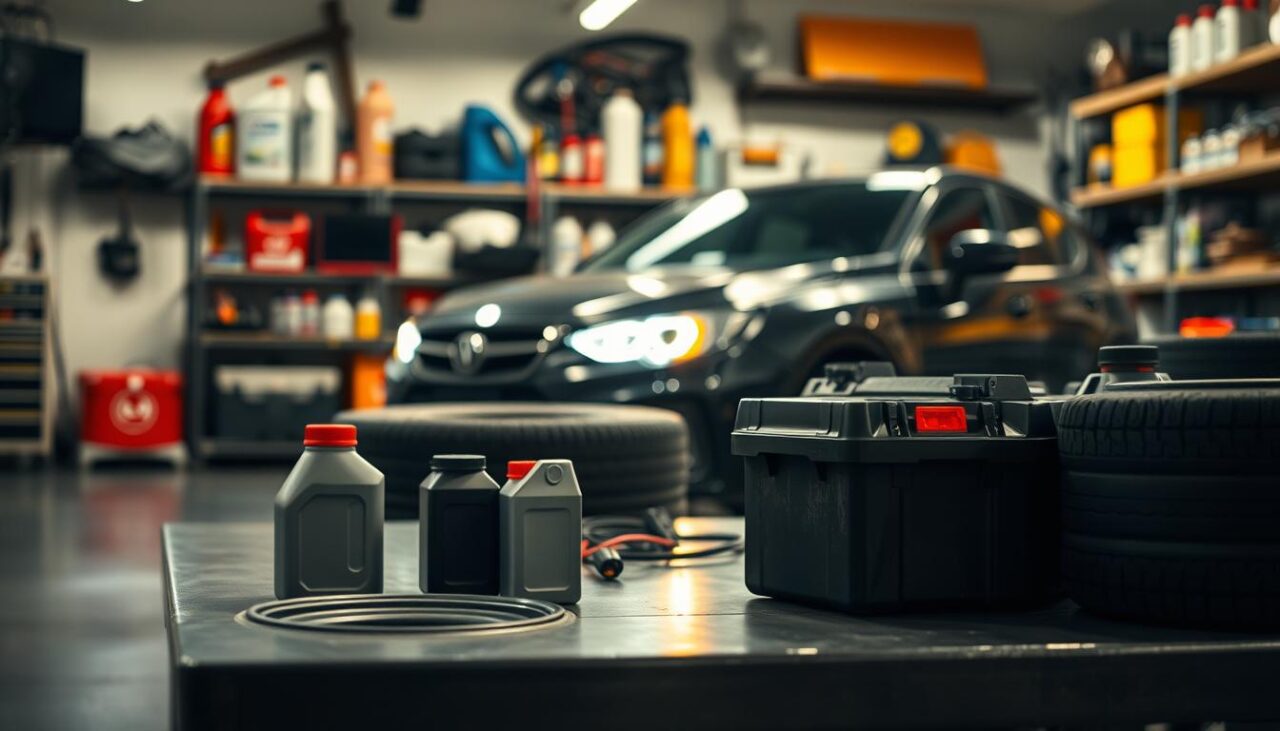
Open the hood: quick under-hood checks before you drive
Open the hood and scan for loose caps, frayed belts, or cracked hoses. Check the oil level with the dipstick and only top off to the full mark.
Lights that keep you seen
Test headlights, highbeam, fog, DRL, and parking light bulbs. Replace failed bulbs, clean sockets, and seat the new part without touching the glass.
Signal and brake visibility
Verify turn signals front and rear. Replace any failed bulb for tail, reverse, brake, or center brake light so other drivers see your moves.
Windshield, tires, and fluids
Replace worn wiper blades and fill the washer reservoir. Check tire pressure cold and inspect tread for nails or cuts. Use the jack at factory points and practice changing a flat.
- Check coolant level when the engine is cool and add if needed.
- Top off brake, power steering, and transmission fluid per the dipstick or reservoir marks.
- Know jumpstart steps and scan the dash if warning lights appear; get a quick diagnose if needed.
Car Care & Maintenance Tracking to Save Time and Money
Use digital tools to log repairs, set reminders, and share records with your mechanic.
Choose an app like CARFAX to pull vehicle details from a license plate and auto-fill service intervals. The app tracks oil changes, tire rotation, and registration dates. It also alerts you to recalls so you can schedule free fixes fast.
Snap photos of receipts and store dealership records in one secure place. That helps if a prior owner never changed an item on schedule and you need to plan a repair or inspection.
- Manage multiple cars in a family and view trade-in value from the same dashboard.
- Receive push reminders for shop visits, registration renewals, and common service tasks.
- Log tools, note battery age, and set mileage alerts for engine and cabin filter changes.
Link simple how-to videos to entries so DIY steps repeat reliably. Centralized records and timely alerts let you budget money and keep school-week trips running smoothly.
Conclusion
Finish strong: run a short checklist that targets bulbs, fluids, tires, and battery health.
Do the basics weekly: swap failed light bulbs, check engine oil and filter, top off brake, power-steering and transmission fluid, and verify coolant level. Replace wiper blades and confirm tire pressure.
Keep a compact kit and learn quick fixes like changing a flat, jumpstarting a battery, and using your jack safely. Pair your phone, set the clock, and scan codes if a warning lamp appears.
Use short how-to videos to guide each part of the process and log receipts on a trusted site or website. A little routine work cuts surprise car repair bills and helps you keep car reliability all season long.