
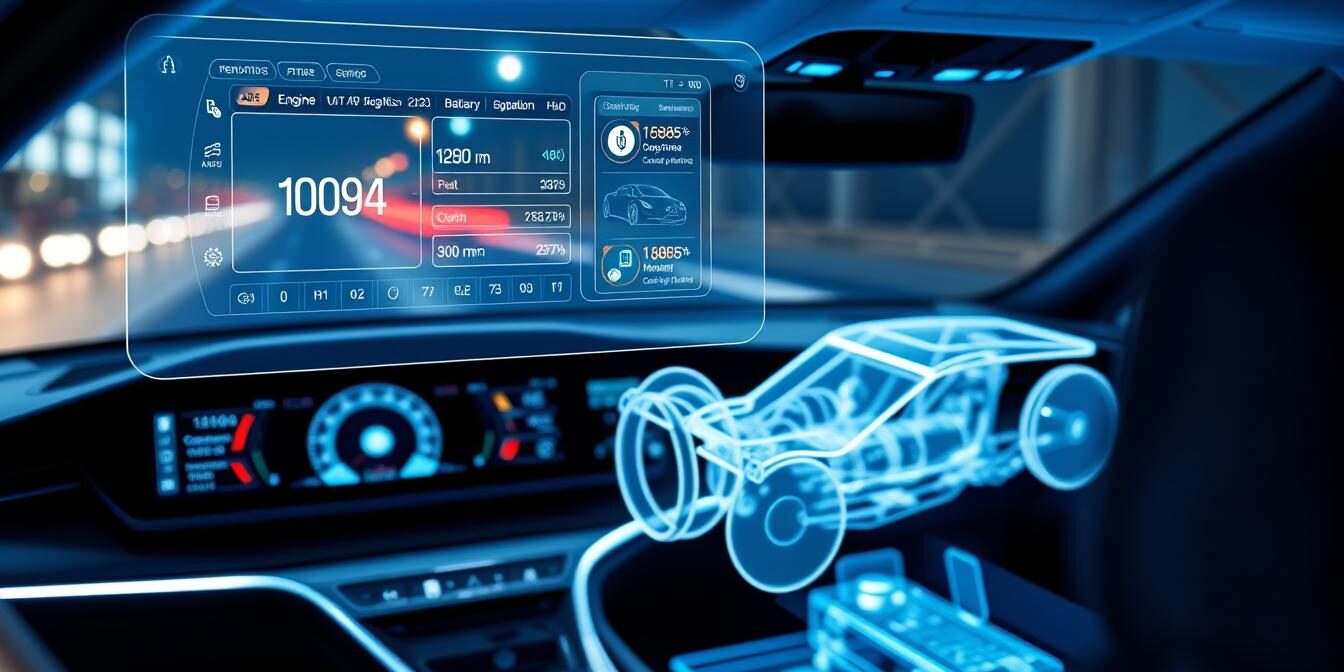
The shop floor is shifting fast. Like healthcare labs that moved to real-time, data-driven care, repair shops now need software, sensors, and connected platforms to diagnose modern vehicles.
Rising vehicle complexity, ADAS features, and software-defined components flood shops with data. This article will trace trends in AI, analytics, automation, and connected Diagnostics & Technology that speed accurate fixes and cut cycle time.
We map a practical 4P model—predictive, preventative, personalized, participatory—to maintenance plans and customer communication. Access to real-time vehicle data from OBD-II, OEM APIs, and telematics is now a competitive edge.
Expect discussion of robotics, AI-driven analytics, remote monitoring inspired by telemedicine, digital inspections, and data platforms that coordinate multi-bay work. Partnerships among OEMs, insurers, and shops will shape outcome-aligned models and reduce rework.
Key Takeaways
- Real-time data and connected tools are reshaping repair speed and accuracy.
- The 4P model guides predictive maintenance and customer engagement.
- AI and analytics reduce diagnosis time and first-time-fix rates.
- Workforce upskilling in data literacy is essential for modern shops.
- Partnerships and data access laws in the U.S. will set competitive standards.
The present state of automotive diagnostics in the age of AI and data
Modern repair bays now ingest continuous vehicle telemetry, from DTCs and freeze frames to sensor logs and ADAS calibration traces. This stream mirrors the data surge in healthcare facilities and forces shops to build structured pipelines and triage logic.

AI and analytics are already practical: pattern recognition on fault codes, anomaly detection across sensor series, and probabilistic diagnosis shorten time-to-diagnosis and raise first-pass accuracy. Cloud-backed tools deliver guided workflows, automated test sequences, and bay-level checklists that look like device-driven clinical pathways.
Access to OEM service information and API feeds speeds parts approvals and repair choices, much as real-time device data improved hospital decisions. Yet shops face bottlenecks: fragmented tools, inconsistent formats, and technician shortages that echo early healthcare digitization problems.
- Monitoring analogs: fleet telemetry, remote OBD dongles, and OTA alerts enable proactive fixes before vehicles arrive.
- AI value: prioritizes root causes, ranks high-yield tests, surfaces relevant TSBs, and refines repair time estimates.
Data governance and consent are crucial. Lessons from healthcare research and cross-border rules show the need for secure access, privacy controls, and clear agreements as shops scale these services.
Diagnostics & Technology: cross-industry innovations redefining car repair workflows
Shops are adopting lab-grade automation and data pipelines to speed repairs and ensure repeatable outcomes. Smart lab lessons—robotization, standardized checks, and centralized information—translate directly to modern bays.
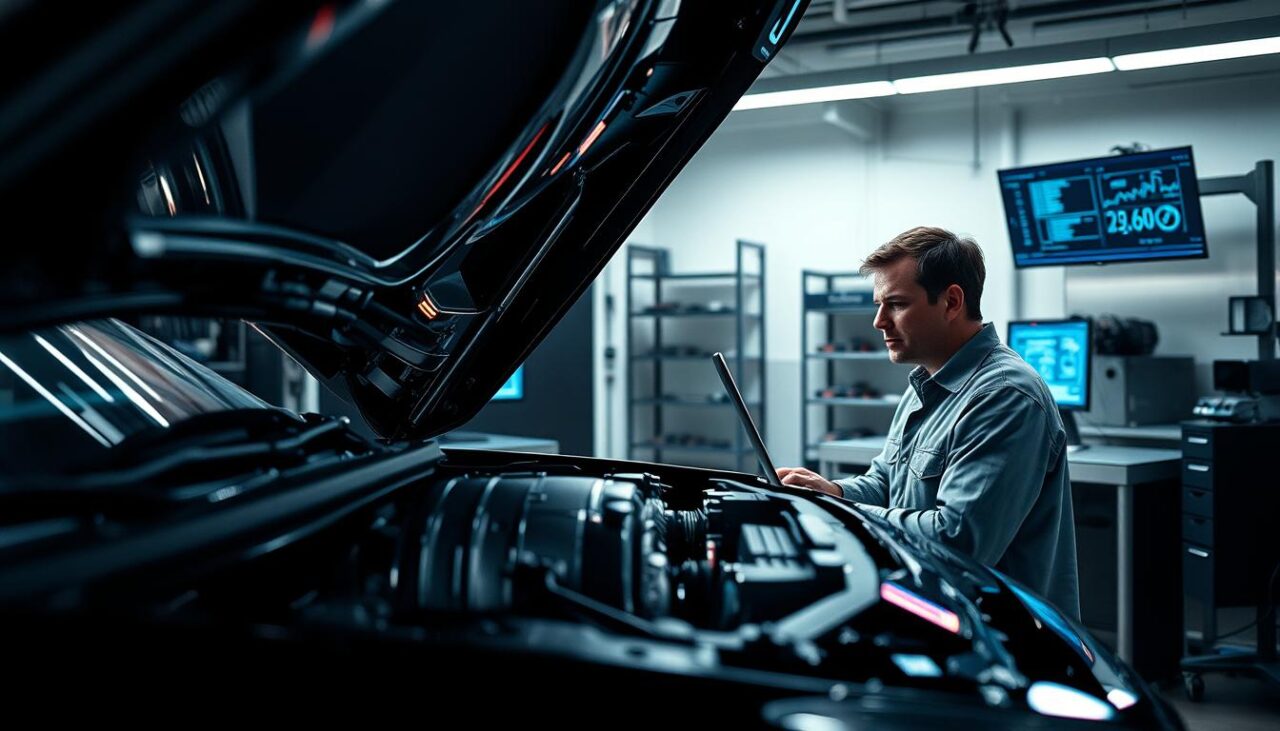
Key shop innovations:
- Robotized tire and wheel systems, automated ADAS calibration rigs, and digital torque devices to cut cycle time and standardize quality.
- AI triage and analytics tools that turn raw vehicle data into prioritized test plans and faster diagnosis.
- Tele-repair services: remote monitoring, advisor sessions, and OTA fixes to resolve simple faults before arrival.
Imaging and digital inspection borrow from pathology and radiology: thermal cameras, borescopes, and 3D scans create auditable evidence and repeatable standards.
Data platforms act like LIMS—unifying scan tool outputs, calibration certificates, and QC checklists while surfacing only the highest‑value signals on dashboards.
Finally, value-based partnerships tie reimbursements to measurable outcomes such as first-time-fix rates and verified calibration. Regulatory parallels call for consent flows and retention policies modeled on healthcare to keep data exchange secure and scalable.
Bridging the gap: workforce, regulation, and data governance for scalable transformation
For shops to scale, workforce training and strong data rules must move in lockstep. Leaders in healthcare and medicine show that education plus governance speeds reliable outcomes. The same applies to vehicle repair.
Upskilling technicians for AI, data science, and device-driven tools
Start with a clear roadmap: teach data literacy, safe use of AI-guided devices, high-voltage EV skills, and image-based inspection. Reinforce learning with credentialing and recertification.
Interoperability, privacy, and cross-border data considerations
Establish governance: consent capture, purpose limits, retention schedules, and vendor due diligence. These steps mirror controls used in regulated health facilities to protect patients and patient outcomes.
- Link training to measures: first-time fix rates, diagnostic accuracy, and turnaround time to mirror health outcomes metrics.
- Adopt standard schemas for scans, calibration records, and inspection images to enable multi-site workflows.
- Address cross-border transfers in contracts to ensure lawful data residency and access for fleets.
Define roles in mixed human-AI workflows and build a shop LIMS competency with data stewards and audit trails to maintain trust and measurable transformation.
Conclusion
When shops borrow the playbook of healthcare—rigor, imaging, and real‑time monitoring—they speed repairs and raise trust.
Over the next 24–36 months prioritize automation that removes waste, scale artificial intelligence and analytics for triage, and expand remote monitoring to catch faults earlier.
Do this and you’ll see measurable outcomes: shorter time to diagnosis, higher first‑time fix rates, transparent records, and aligned incentives across OEMs and insurers.
Treat facilities like modern diagnostic centers: benchmark imaging quality, keep device calibration logs, and pilot advanced tools responsibly. Invest in technician training, publish anonymized research, and embed privacy‑by‑design to build customer trust.
Start with one initiative—AI‑guided triage or digital inspections—and build toward a fully integrated, outcomes‑focused future diagnostics operation.