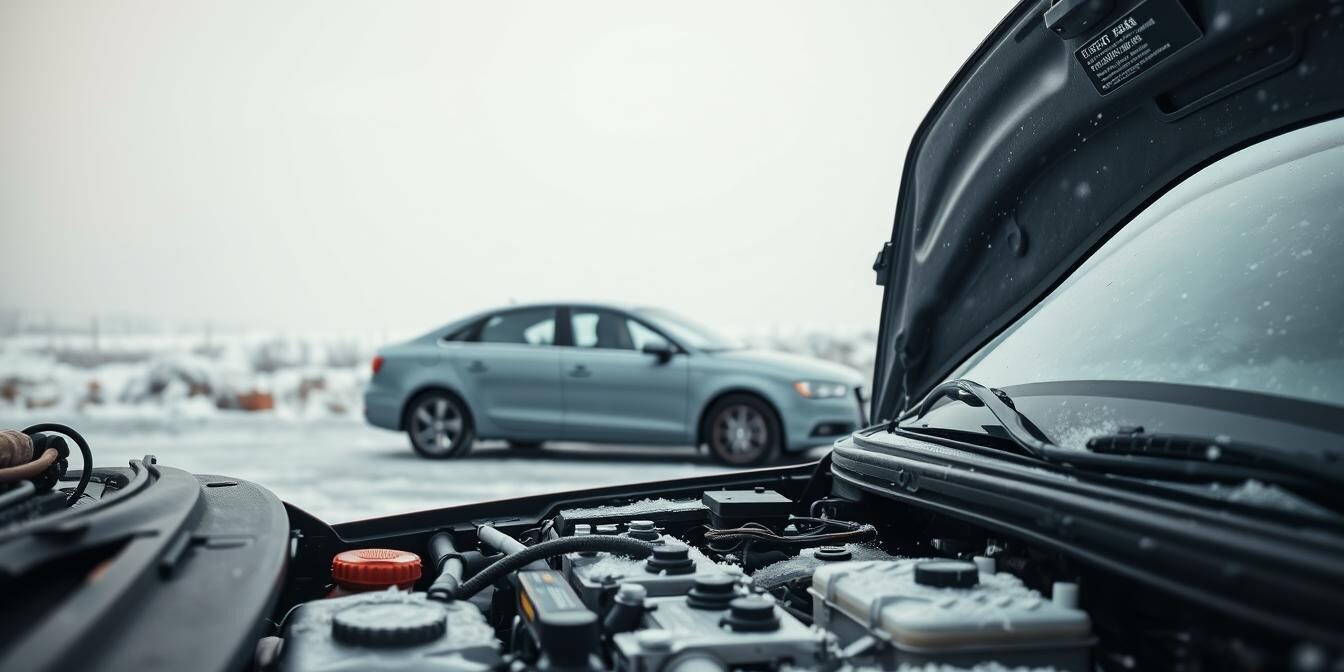
Getting ready for winter means simple checks that prevent big headaches on icy roads. A few routine steps — topping off fluids, testing battery cold-crank ability, and checking tire pressure — help protect the engine and keep performance steady when temperatures drop.
Small, regular actions add up. Tire pressure falls about one pound per 10°F, and rubber compounds harden, which lengthens stopping distances. Swapping to winter tires, fitting winter wiper blades, and following the owner’s recommendations for oil and service intervals keeps your vehicle reliable and preserves resale value.
Key Takeaways
- Check fluids, battery, lights, and tire pressure regularly as temperatures fall.
- Swap to winter tires when temps stay near or below freezing for better braking.
- Follow manufacturer guidance for oil and service intervals to avoid premature wear.
- Keep records and receipts to boost resale value and track upcoming tasks.
- Decide between DIY and pros based on tools, cost, and complexity of the task.
Essential Cold-Weather Checks to Keep Your Vehicle Running Smoothly
Simple, focused inspections before the first freeze keep the engine and systems dependable. Check oil and coolant levels with the engine cold; low levels can cause severe engine wear in freezing weather. Replace the oil filter on schedule and confirm oil change intervals in the check owner manual.
Fluids that Matter in Winter
Maintain a true 50/50 antifreeze-to-water mix to protect the engine from freezing. Keep approved washer fluid on hand; don’t use plain water—freezing can damage the reservoir and hoses.
Tires, Tread, and Pressure
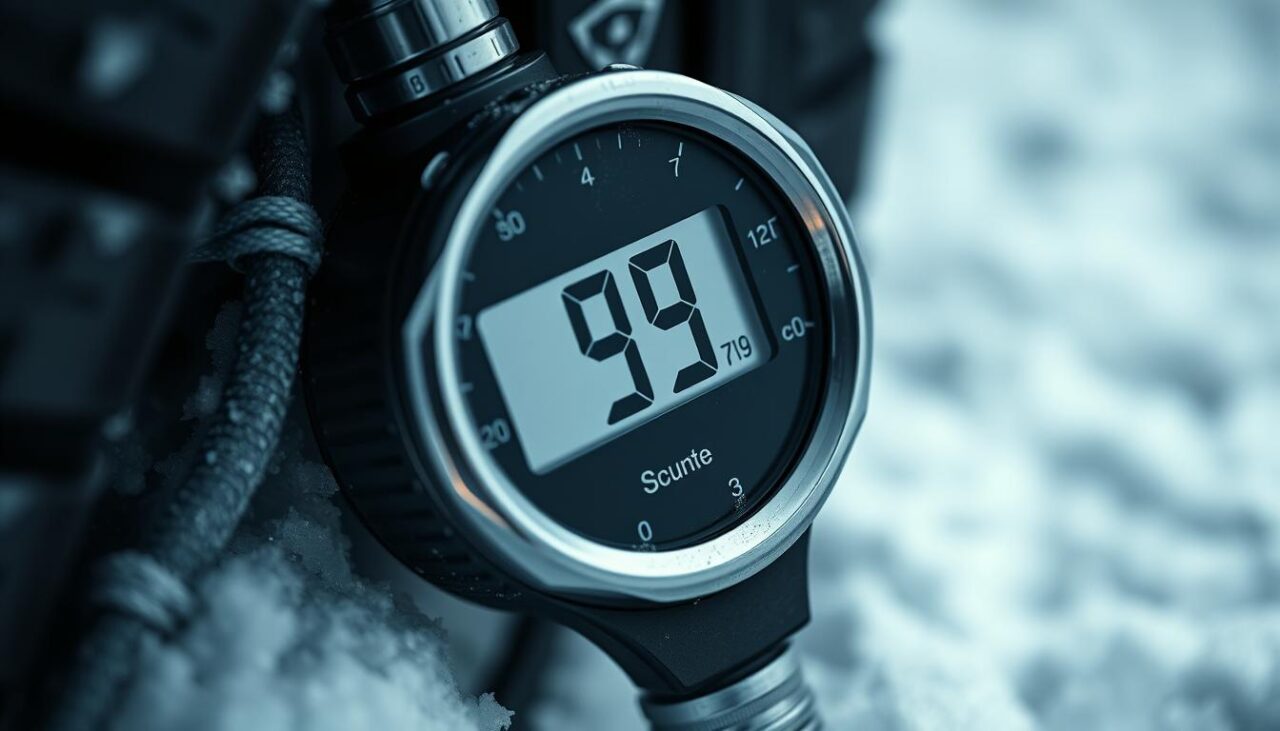
Tire pressure drops about 1 psi for every 10°F fall. Use a tire pressure gauge and set PSI to the vehicle’s recommendation. Verify tread depth, inspect sidewalls, and switch to winter tires when temps stay near or below freezing.
Battery, Wipers, and Lights
Cold lowers cranking amps; have a load test before extreme cold. Replace windshield wipers yearly and consider winter blades. Lift wipers when parked to avoid ice bonding. Finally, check headlights, turn signals, and brake lights monthly so visibility and safety stay strong.
Car Care & Maintenance Schedule for Winter Months
Plan short, seasonal, and long-term inspections so key systems stay reliable when temperatures drop. Start with monthly quick checks: inspect oil level, coolant, and the air filter, and test lights before long trips. These fast scans catch small issues before they become roadside problems.
Seasonal services include swapping to winter tires, confirming a 50/50 coolant mix, and replacing wipers at least once a year. Test battery output and rotate tires when you swap to winter rubber to even out tread and limit wear tear.
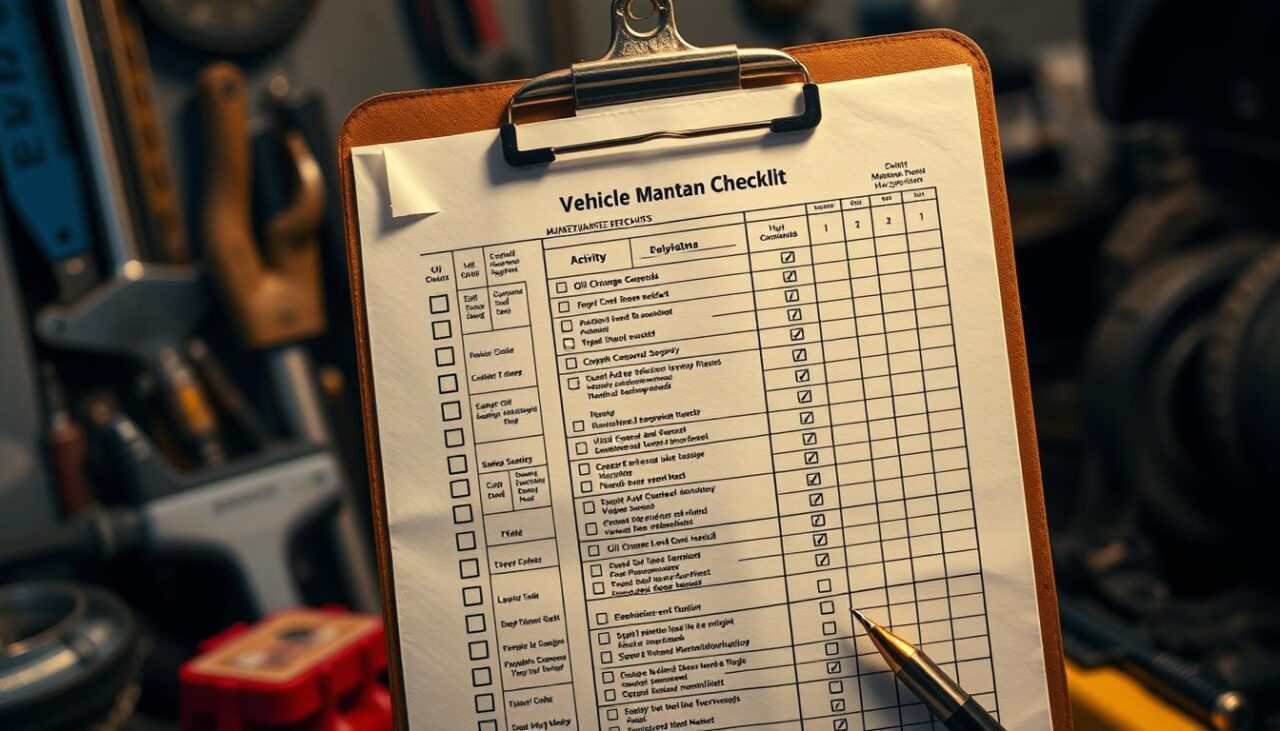
Long-term items should follow the manufacturer’s guidance: inspect transmission fluid, spark plugs, the serpentine belt, and differentials on the schedule in the owner manual. Replace parts when the manual recommends them, especially if you notice power loss or vibration.
- Monthly: oil and coolant checks, light audits, and quick under-hood scans.
- Seasonal: winter tires, wiper renewal, battery test, and coolant verification.
- Long-term: drivetrain fluids, belts, plugs, and suspension inspections per the maintenance schedule.
Use the owner manual as your baseline and set reminders for time-based service. Sticking to a written plan reduces the chance of breakdowns and protects the engine all winter long.
DIY vs. Professional Help: When to Tackle Tasks and When to Visit a Shop
Deciding whether to DIY or call a shop depends on the task’s complexity, tools needed, and warranty implications. Use the owner manual as the baseline and then judge safety and required equipment.
DIY-friendly tasks include checking tire pressure, topping washer fluid, and inspecting lights. These are low risk and need basic tools.

Independent Shops vs. Dealerships
Local independent shops usually charge less for labor and parts. Dealership service departments offer brand-specific tools and training that help with diagnostics and software updates.
Choosing a Mechanic You Trust
Look for ASE certifications and AAA affiliations. Ask neighbors for recommendations tied to your vehicles and local winter conditions.
- If work is safety-critical, warranty-sensitive, or needs special tools, schedule professional service.
- For routine checks, follow the manual and consider DIY.
- Ask shops for written estimates and parts options (OEM vs aftermarket) before agreeing to repairs.
Keep a service history and report recurring problems. A trusted shop can spot patterns that affect winter performance and help prevent mid-winter breakdowns.
Pro Tips to Prevent Wear, Improve Performance, and Avoid Repairs in Cold Weather
A few proactive steps reduce wear, boost performance, and help you avoid costly repairs during cold months. Focus on paint protection, roadside readiness, and smart record keeping. These small moves make winter driving safer and less stressful.
Protect Paint and Parts
Wash and wax regularly to remove salt and grime from the road. No wax lasts forever, so reapply every few weeks when salt exposure is high.
Rinse the underbody and wheels often to prevent corrosion. Blow out door seals and locks with a safe product to stop freezing that stresses seals and the engine.
Be Prepared on the Road
Join a motor club like AAA — it’s a good idea for 24/7 towing, flat help, and jump-starts for a weak car battery. Some policies include roadside coverage that pays back in a few months.
Build a compact kit: a pressure gauge or tire pressure gauge, gloves, flashlight, warm clothing, and approved washer fluid. Practice a “tire drill” at home: find jack points, test tools, and add a breaker bar for stuck lugs.
Keep Records Handy
Store repair receipts, registration, and insurance in the vehicle and keep the title at home. Use an app like CARFAX Car Care to digitize records, track recalls, and set service reminders.
“Top off washer fluid, confirm tire pressure, scan lights, and inspect filters monthly to prevent mid-winter problems.”
- Monthly routine: top off washer fluid, check tire pressure, scan lights, and inspect the air filter.
- Renew windshield wipers about every six months or when streaking starts; clean the rubber with glass cleaner to extend life.
- Avoid long idling; drive gently until fluids warm and clear packed snow from intakes and wheel wells to protect engine performance and brake feel.
Conclusion
A steady routine of checks and timely service keeps the engine reliable through freezing months. Follow a clear maintenance schedule: monthly quick scans of oil, coolant, tire pressure, and lights, plus seasonal swaps for winter tires and wipers. These steps reduce breakdowns and protect resale value.
Focus on priorities: keep oil changes and oil filter swaps on time, check the air filter, verify coolant mix and tire pressure, and address brake or pressure issues early. Good records of vehicle maintenance and receipts help technicians diagnose problems faster.
Before long trips, consult the owner manual and check owner steps for PSI, torque, and fluid types. Enroll in roadside service, test the car battery, and keep a compact tire kit. With simple habits, timely service, and the right tools, your vehicle will handle winter roads with far fewer surprises.