
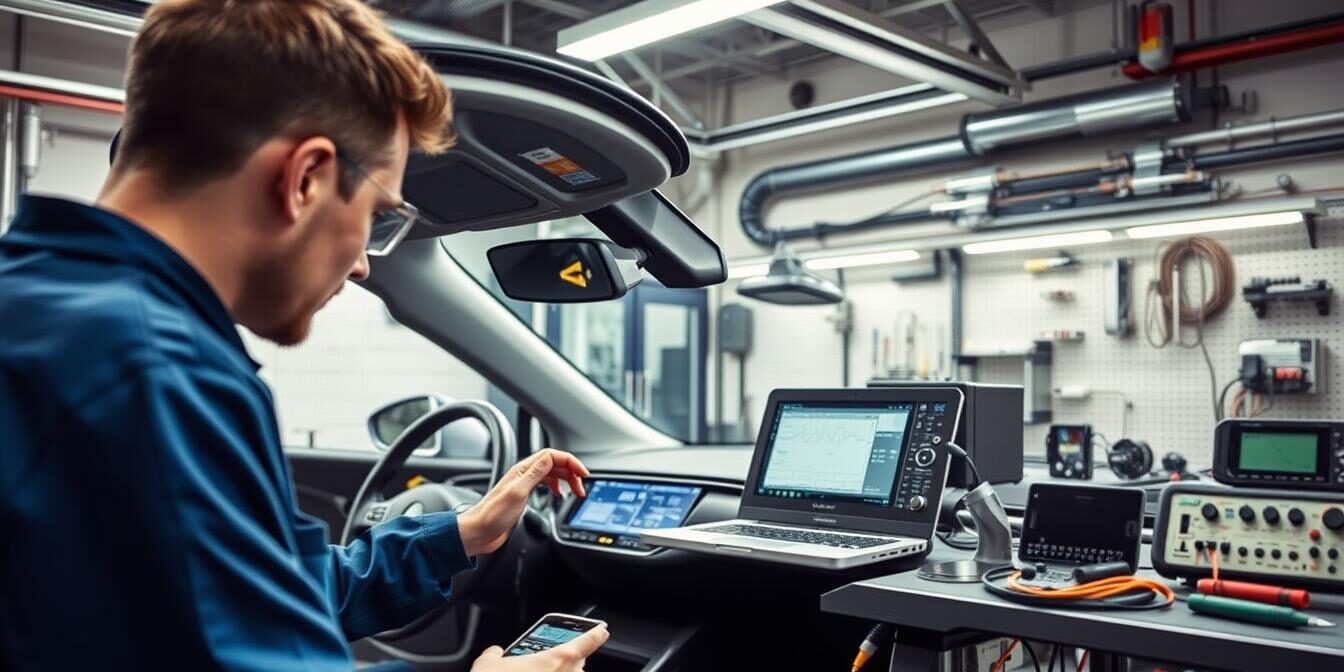
EV diagnostics start with a different checklist. Technicians evaluate traction batteries, inverters, onboard chargers and thermal systems first. These high-voltage systems change what data we gather and how we make repair calls.
Chip-enabled tools, automation and a new wave of compact instruments speed diagnosis and cut costs. Advances in sensor chips and microfluidics from wider research push the field toward faster, earlier detection and more reliable outcomes.
Our service treats EV care as a systems problem. We use secure telemetry, structured test plans and evidence-based logging to turn complex data into clear information for customers. That approach reduces comebacks, shortens time to resolution and respects warranty and safety needs.
Key Takeaways
- EVs require a systems-first inspection of batteries and power electronics.
- Modern tools and on-chip advances shorten time to insight.
- Secure data and clear reports give customers actionable information.
- Evidence-based workflows cut repeat repairs and improve outcomes.
- EV service blends hardware checks with software and configuration reviews.
Foundational Differences in Diagnostics Between EVs and Gas Vehicles
EV inspections pivot toward battery modules, inverters and software health rather than engines and emissions. This changes what we measure, how we test, and which workflows keep vehicles safe and on the road.
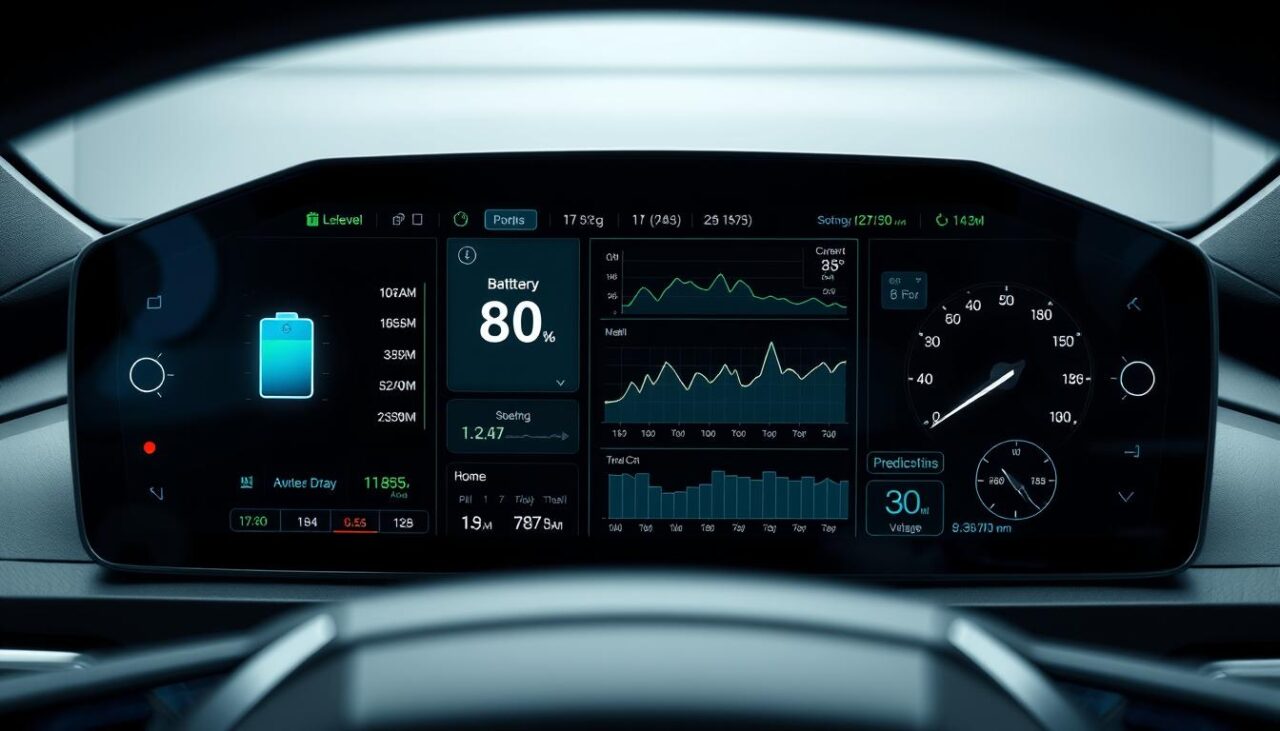
From engines and emissions to inverters and batteries: what’s under the scope
Gas vehicle checks focus on engine, fuel, ignition and exhaust systems. EVs prioritize traction battery packs, BMS, DC/DC converters, onboard chargers and high-voltage contactors.
That shift moves many tests from mechanical inspection to validated electrical and firmware checks. Quick insulation resistance and contactor weld tests can isolate faults before any teardown.
Sensor-rich, software-defined systems: why EVs demand data-driven testing
EV platforms stream thermal loops, pack voltage taps and current sensors continuously. This live monitoring captures transient events that single-point imaging or visual checks miss.
Software faults—calibration drift, code-level errors, or firmware mismatches—now appear as front-line issues. Authenticated device sessions and device-assisted workflows protect integrity while enabling deep diagnosis.
Noninvasive checks and rapid turnaround: minimizing downtime with modern diagnostic workflows
Noninvasive diagnostics borrow from healthcare triage: fast software scans, targeted tests and recorded snapshots guide next steps.
“High-quality intake information—VIN, build codes and charge history—reduces repeat testing and speeds repair time.”
Imaging-style tools, from thermal analogs to acoustic listening, can reveal hotspots on power electronics without opening sealed enclosures. Structured monitoring produces concise reports that help technicians make decisions quickly and safely.
Diagnostics & Technology: Tools, Testing, and Technician Expertise
A safety-first workflow and new compact instruments let technicians get accurate battery and inverter readings fast. We follow strict lockout/tagout, insulated tools, and staged energization so teams work safely and vehicles stay protected under care.
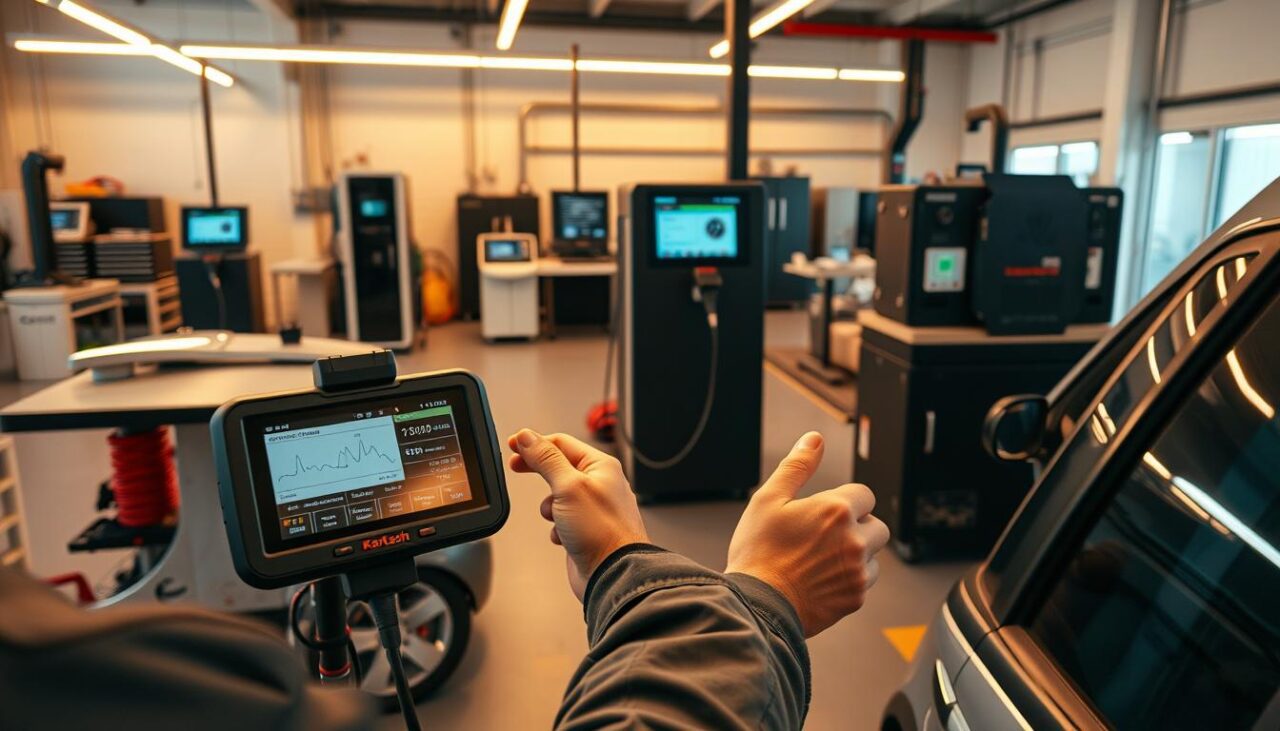
Battery health assessment blends external thermal mapping, impedance trends, and controlled load sweeps to reveal internal faults without opening the pack. These noninvasive tests prioritize quick insight and reduce unnecessary teardown time.
High-voltage safety, battery imaging, and power-electronics protocols
For inverters and chargers we use differential probes, HV-safe clamps, CAN/LIN sniffers and isolation testers. Golden-reference waveforms and research-driven limits guide pass/fail calls and reduce guesswork.
AI-assisted detection, telemetry, and secure data handling
AI flags anomalous switching or cooling inefficiencies in live telemetry so our expertise targets root causes faster. Encrypted session logs, role-based access and clear retention rules keep customer data auditable and private.
- Test sequencing: noninvasive scans first, targeted HV checks second, invasive work only if thresholds require it.
- Monitoring: structured drive-cycle capture aligns lab results with on-road symptoms.
- Technician development: ongoing training cycles keep teams current with new device developments and methods.
“Clear, evidence-based reports let customers choose care paths based on risk, time and cost.”
The Future of Vehicle Diagnosis: Innovations Reshaping Service in the United States
On-chip sensors and integrated photonics promise lab-grade readings from compact, rugged testers. That shift will put repeatable measurement and fast detection on shop floors across the country.
Chip-enabled devices and compact testers
Semiconductor advances—CMOS, microfluidics and silicon photonics—drive mass production and lower per-test costs. Rugged modules with embedded sensors bring consistent signal fidelity to regional shops.
Advanced imaging analogs for deeper pack and drivetrain insight
Photoacoustic-style methods and compact hyperspectral concepts pair optical and acoustic cues. These imaging approaches can reveal subtle thermal and material signatures without teardown.
Collaborations, standards, and systems integration
OEMs, labs and service networks will align on secure telemetry formats and standardized test payloads to enable predictive maintenance at scale.
- Production-driven cost curves broaden tool access outside dealerships.
- Authenticated over-the-air tests and edge processing streamline warranty flows.
- Power analytics tied to time-synced sensors improve fault isolation and outcomes.
“Early anomaly flagging lets teams fix issues with firmware updates or targeted part swaps, preserving component life.”
Training that blends research literacy, AI interpretation and high-voltage practice will keep the human judgment at the heart of service as automation grows.
Conclusion
Conclusion
EV diagnostics are moving toward data-led diagnosis, precise testing sequences, and technician expertise that match the rigor of leading health labs.
Advanced imaging analogs and compact technology favor noninvasive checks first, preserve components, and produce outcomes that technicians and customers can act on quickly.
U.S. shops benefit by standardizing intake, instrument setup and test plans, capturing secure session data, and producing clear content for customers and insurers.
Drivers need transparent diagnosis, honest time estimates and evidence-based treatment options—from firmware fixes to part replacement—backed by years of trained practice.
Choose a service partner that invests in quality diagnosis, modern testing tools and ongoing training to keep your EV healthy and on the road.