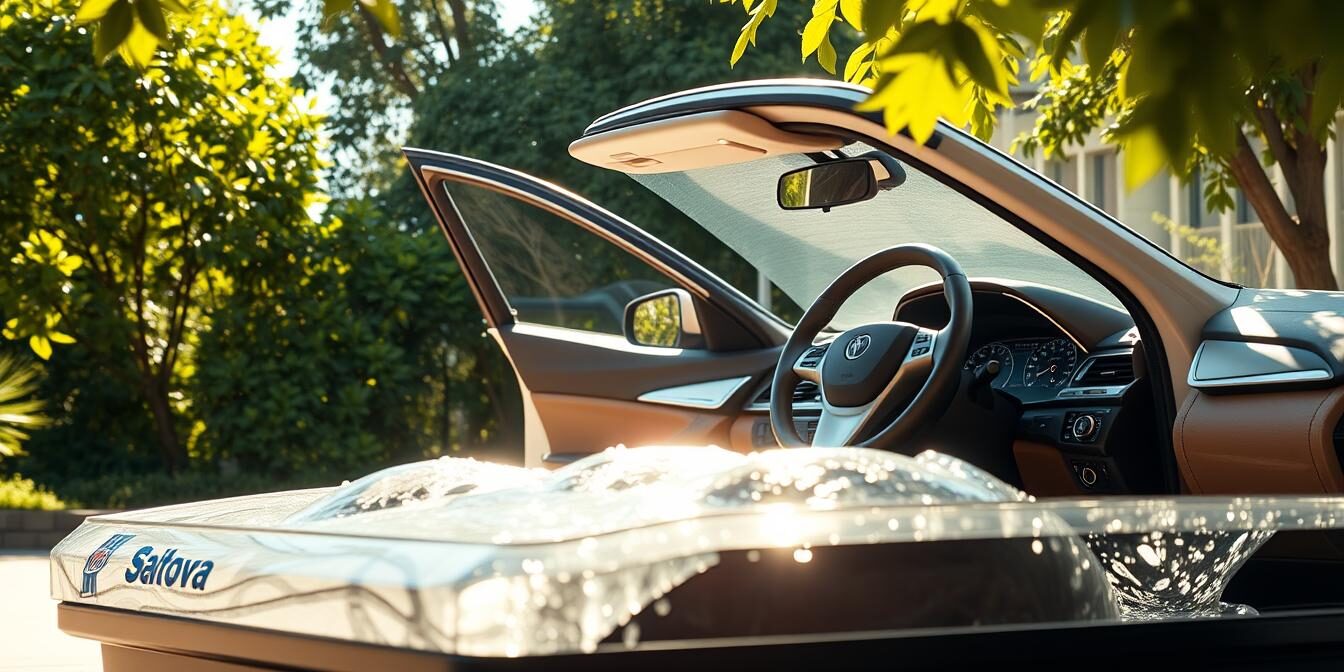
Hot weather puts extra strain on your vehicle. Engines run hotter, batteries lose efficiency, and fluids can break down faster. A simple routine helps avoid mid-trip breakdowns and keeps performance steady.
Follow a focused maintenance checklist that explains what to check and when. Look at coolant and oil levels regularly, confirm tire pressure and tread, and test lights and wipers. Refer to the owner’s manual for service intervals and specs.
Some tasks are easy to do at home, like visual checks and topping fluids. Other jobs—coolant exchanges, belts, or complex electrical work—are best left to a pro. Keeping records of services protects resale value and gives peace of mind.
Before a long road trip, plan ahead. Check the battery when the engine is cool, verify fuel systems, and rotate tires if needed. These steps help you stay safe and avoid surprises on summer drives.
Key Takeaways
- High heat increases demands on engine and cooling systems; proactive checks prevent failures.
- Use the owner’s manual to time oil, coolant, and service intervals.
- Do simple DIY checks for fluids, tires, lights, and wipers; leave complex tasks to professionals.
- Keep service records to preserve vehicle life and resale value.
- Inspect battery and cooling systems before long summer drives to avoid last-minute issues.
Why Summer Heat Puts Extra Stress on Your Car
High temperatures turn routine driving into a stress test for engines and electrical systems. Under-hood heat rises with ambient temps, forcing the engine and nearby parts to work harder. That extra load speeds up wear and can expose problems if fluid levels are low.
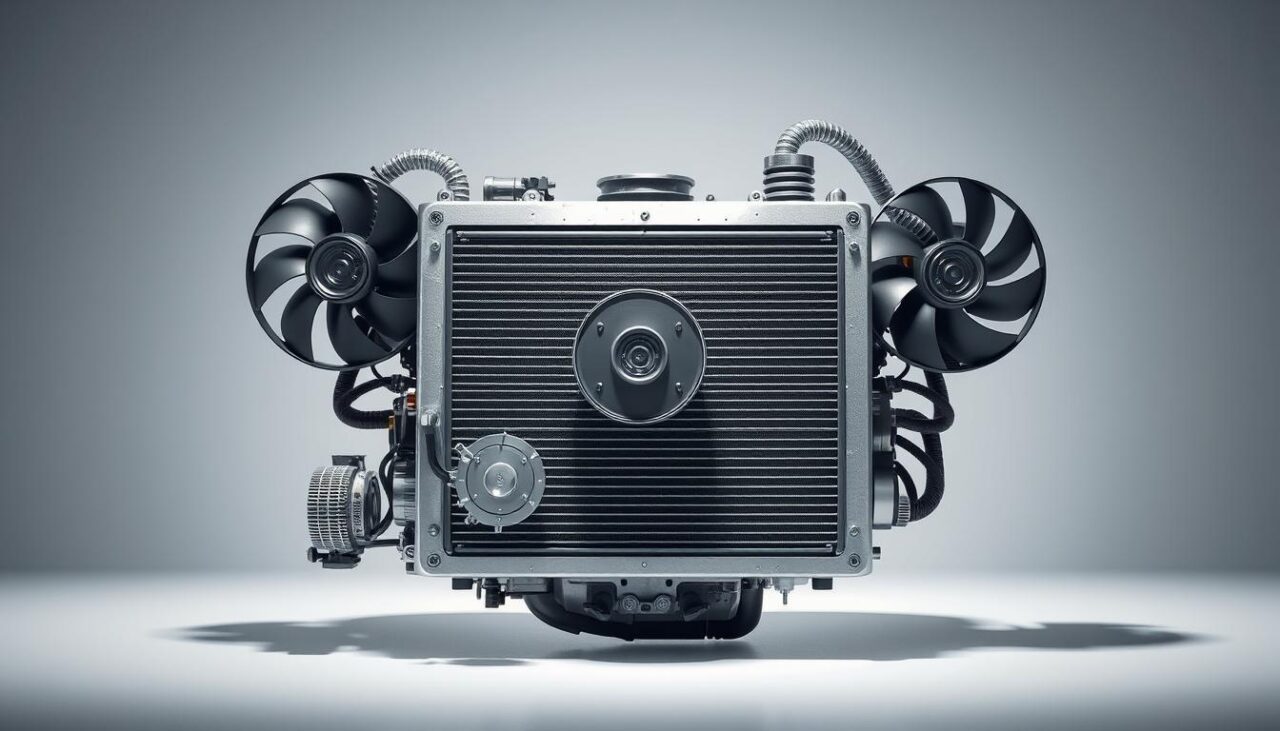
Heat reduces air density and limits cooling efficiency, making the coolant system less effective during heavy traffic or long climbs. Low oil or coolant when the engine is cool can quickly lead to overheating or component damage.
Battery chemistry also suffers in heat. High temperatures accelerate internal degradation, which can cause weak starts or flickering lights. The serpentine belt, which drives the alternator and air compressor, will show cracks or squeals when stressed.
- Temperature swings change tire pressure and affect tread wear; improper pressure increases stopping distance and strains suspension parts.
- Stop-and-go summer driving or towing pushes the transmission, raising fluid temps and stressing seals and gears.
- Watch for early warning signs: rising temp gauge, weakened A/C at idle, soft brakes, flickering lights, or a squealing belt.
Addressing these signals quickly prevents larger repairs and keeps your vehicle reliable during hot months.
Preventative Car Care & Maintenance for Hot Weather
A few quick inspections can keep your vehicle running reliably on warm days. Start with checks that are easy but effective. Do them monthly and before long trips.
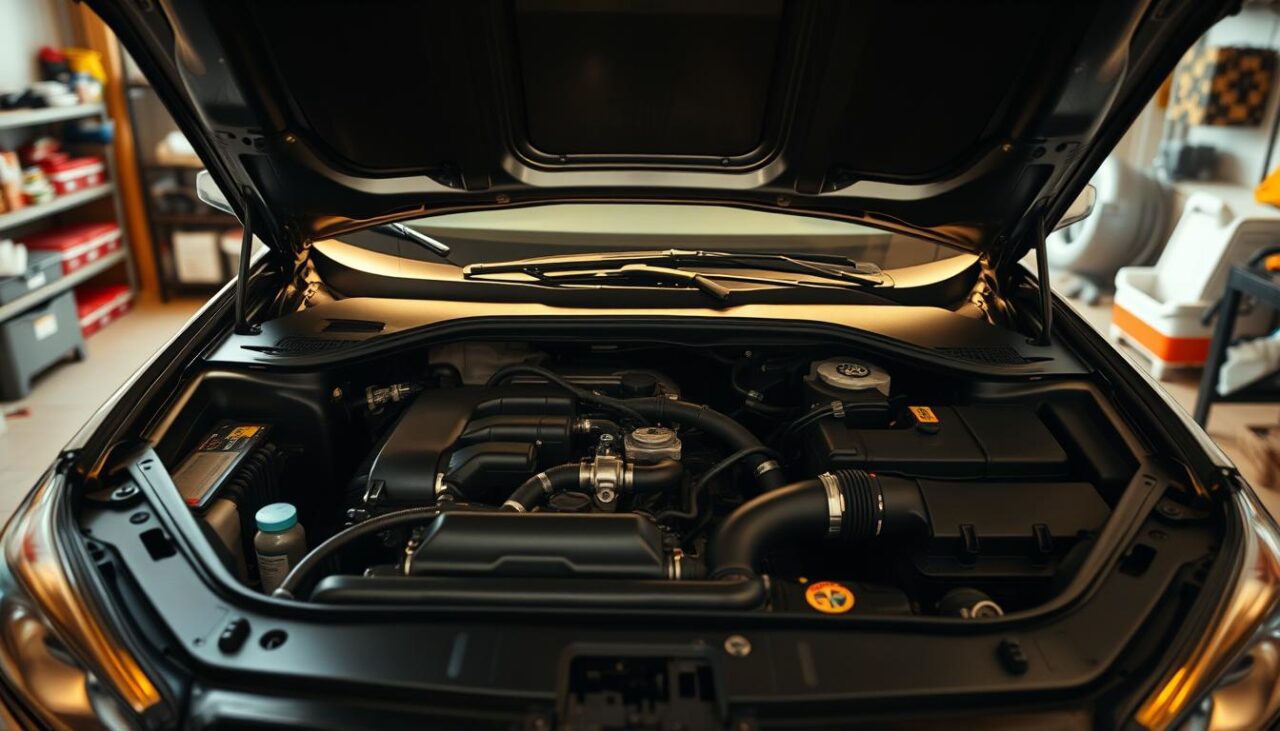
Oil and coolant levels
With the engine cool, check oil and coolant at least monthly or every few gas fill-ups. Low levels can lead to overheating and engine damage. Follow the owner manual for oil and filter intervals.
Engine air filter
A clean air filter improves airflow, protects internal parts, and can boost fuel economy. Replace or clean the filter per the manual to reduce emissions and protect the engine.
Tires and pressure
Use a quality gauge to set tire pressure to the PSI in your manual. Inspect tread depth with the penny test and check the spare before long trips. Rotate tires regularly to even out wear and reduce road vibration.
Battery, wipers, and lights
Test battery performance during hot spells to avoid weak starts. Inspect wiper blades and all exterior lights monthly; replace blades that streak and fix any dim or nonworking lights promptly for safe summer driving.
- Quick routine: monthly oil, coolant, valve checks at every few gas stops, and pre-trip inspections.
- Record keeping: note service dates and follow the manual for intervals.
Engine Cooling System Essentials to Prevent Overheating
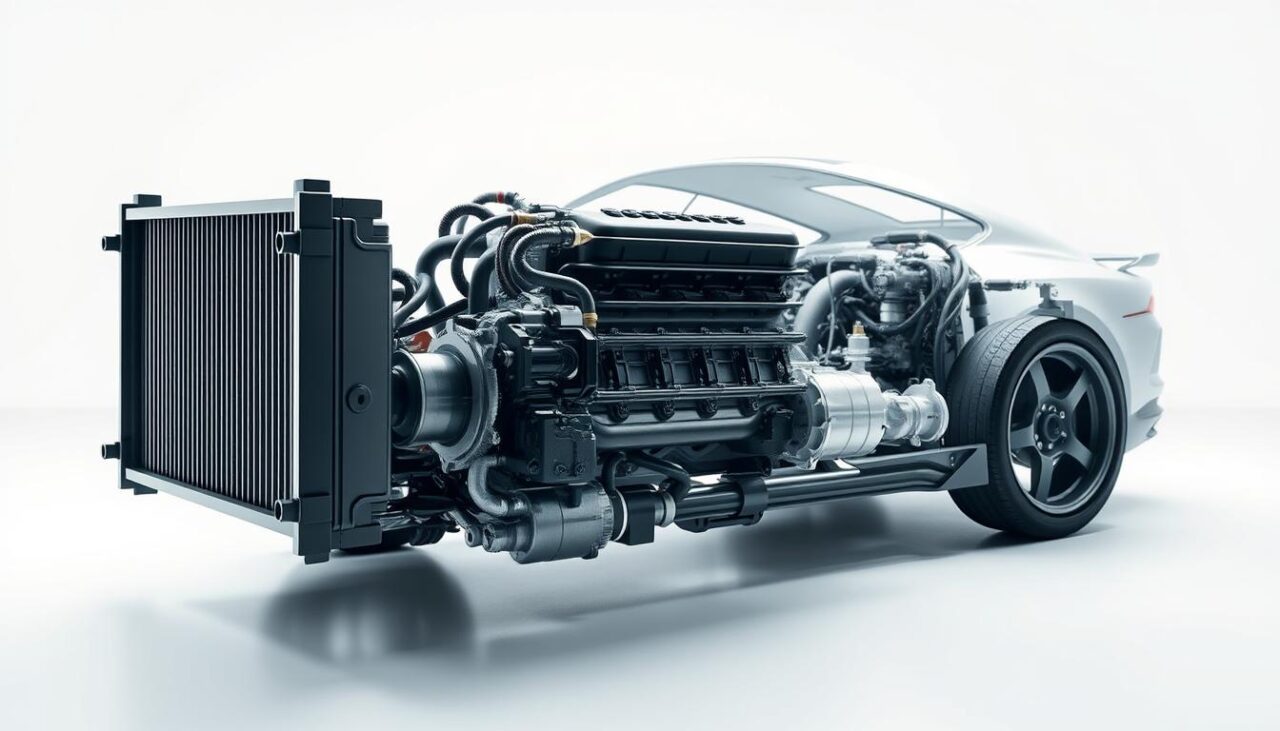
Simple inspections of hoses, belts, and coolant can stop big problems before they start. Keep checks regular and consult the owner manual for exact specs and reservoir markings.
Use the right mix and verify levels
Most vehicles use a 50/50 coolant mix to balance heat transfer and corrosion protection. Verify the specification in your manual before topping off and always confirm reservoir levels when the engine is cool.
Schedule fluid exchanges
Have the coolant fluid exchanged at manufacturer intervals to remove contaminants and restore inhibitors. Regular flushing keeps the system working and helps prevent costly repair from sludge or corrosion.
Keep radiator and hoses leak-free
Inspect the radiator, upper and lower hoses, and clamps for seepage, soft spots, or bulges. Small leaks often worsen in heat and cause rapid temperature spikes under load.
Check the serpentine belt and airflow
The serpentine belt drives the alternator, power steering, and A/C compressor. Replace belts that show cracks or glazing to preserve air flow through the condenser and protect other parts.
“If overheating continues after these checks, professional diagnostics can uncover a failing water pump, sticking thermostat, or restricted radiator core that needs repair.”
- Clear debris from radiator or condenser fins to maintain airflow at idle.
- When in doubt, have a pro inspect the cooling system and transmission-related cooling lines.
Hot-Weather Driving Tips for Cabin Comfort and Vehicle Performance
Smart driving in heat reduces strain on systems and keeps interior temperatures comfortable for every mile.
Reduce engine load
Pre-ventilate the cabin by opening windows briefly, then use recirculation once the interior cools. Avoid long idling; it creates heat soak and wastes fuel.
Keep a safe speed to maintain airflow over the radiator and condenser for better A/C performance and engine cooling.
Prepare for road trips
Use a short maintenance checklist before long drives. With the engine cool, confirm coolant and oil levels, set spare tire pressure, top off washer fluid, and test all lights and wipers.
Verify the health of the car battery and battery terminals. Replace worn brake pads and wiper blades that smear or chatter and may need replaced.
When to see a professional
If overheating, coolant loss, dim lights, or slow cranking persist, seek expert diagnosis. Electrical faults and cooling system failures can signal deeper wear or need for repair.
“An ASE-certified shop can handle complex diagnostics, cooling system service, and towing for peace of mind on long miles.”
- Plan fuel and rest stops to avoid excessive idling and monitor gauges on grades or in traffic.
- For unresolved problems, choose a shop with ASE technicians and warranty-backed repairs for reliable performance.
Conclusion
Simple, regular inspections are the best defense against heat-related failures. Verify oil and coolant levels monthly, keep the air filter clean, and set tire pressure to the owner manual specification for safer handling and longer life.
Check lights, wipers, tread depth, and battery health before trips. Document services and follow factory intervals for oil changes, coolant exchanges, and transmission fluid to avoid costly repair.
Replace worn items—filters, serpentine belts, wipers, and brake parts—before they fail. Seasonal planning also eases the shift into winter and helps with winter snow readiness.
Think like a checklist: consult the manual, schedule fluids, address wear early, and seek ASE-certified diagnostics for persistent engine or cooling issues to keep your vehicle reliable all year.