This guide gives a clear, step-by-step checklist to help owners keep a vehicle reliable and safe on the road.
Follow your vehicle manufacturer schedule and log service intervals to help ensure better resale value and to reduce surprise repairs. Monthly checks are simple: verify oil and coolant levels when the engine is cool, test tire pressure and tread depth, and confirm exterior lights and wipers work.
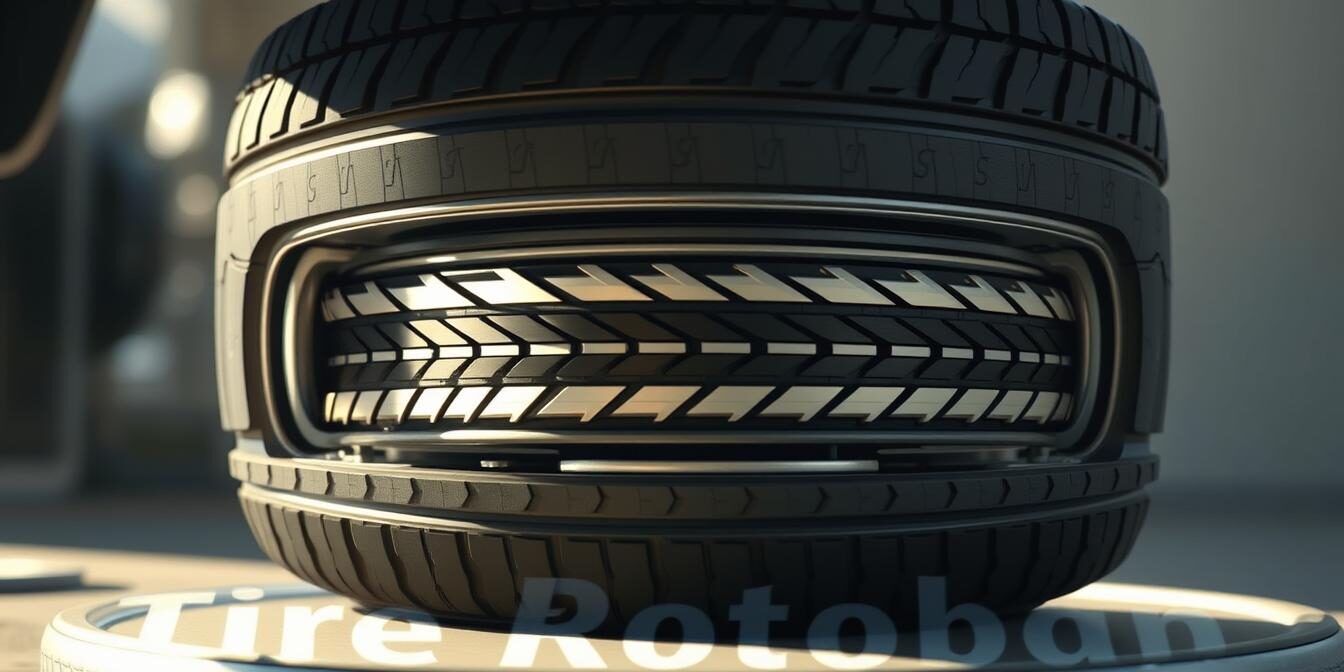
Rotate tires regularly to balance tread wear and lower noise or vibration. Long-term services include transmission and differential checks, shock inspections near 50,000 miles, and periodic coolant and oil/filter exchanges aligned with the owner’s manual.
Small, routine steps protect expensive parts and make inspections faster. Keep records, set reminders, and you’ll find servicing is easier and less costly over time.
Key Takeaways
- Follow the vehicle manufacturer schedule and record every service.
- Monthly checks: oil, coolant, tire pressure, tread, lights, and wipers.
- Rotate tires to extend tread life and reduce vibration.
- Align oil and filter changes with driving style and oil type.
- Inspect brakes, belts, and visible hoses before long trips.
- Plan long-interval services for drivetrain fluids and shocks.
Car Care & Maintenance Checklist: What to Inspect First
A quick under-the-hood scan can prevent costly breakdowns and keep your vehicle reliable. Start monthly or before long trips and follow the owner’s guide for intervals and specs.
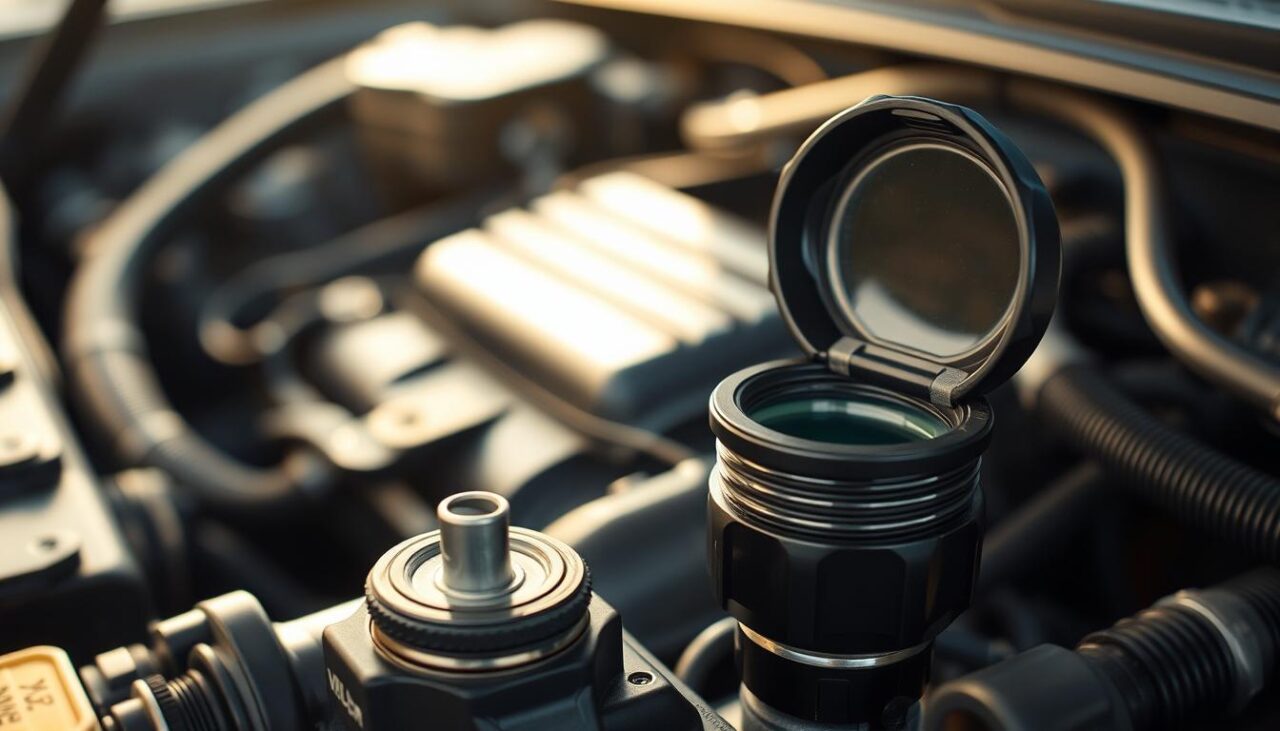
Under-the-hood quick checks: oil and coolant while the engine is cool
With the engine off and cool, check the oil on the dipstick and top up only with the specification listed by your vehicle manufacturer. Low levels can cause engine problems and internal part damage.
Check coolant in the reservoir at the marked levels. Discoloration or low fluid may signal contamination or leaks that could lead to overheating and engine damage.
Scan the engine bay for cracked hoses, damp spots, or residue. These signs can indicate slow leaks of oil, coolant, or other fluids near the motor.
Lights and safety: headlights, turn signals, brake and parking lights
Verify headlights on a flat surface to confirm aim and brightness. Walk around to test turn signals and parking lights.
Have a helper press the brake pedal while you watch the rear lamps to confirm brake lights activate brightly. Check wiper blades for streaking and replace if they chatter.
- Inspect engine air filter housing and replace a dark, clogged element per your owner’s guide.
- Smell for gas vapors near the filler neck and ensure the gas cap seals tightly to avoid evaporative system warnings.
- If you see wetness under the vehicle or smell unusual odors, schedule a prompt check to avoid larger repairs.
Tire Maintenance and Rotation Essentials
A short monthly check of tire pressure and tread depth prevents many roadside surprises.
Set and monitor pressure: Use a quality gauge each month and before long trips. Check all four tires and the spare. Follow the PSI on your driver’s door placard. Remember: expect about a 1 psi drop for every 10°F temperature fall.
Read tread and spot uneven wear: Use a penny or tread gauge to measure depth. Look for inner- or outer-edge wear, cupping, or feathering—these signs point to alignment or suspension issues.
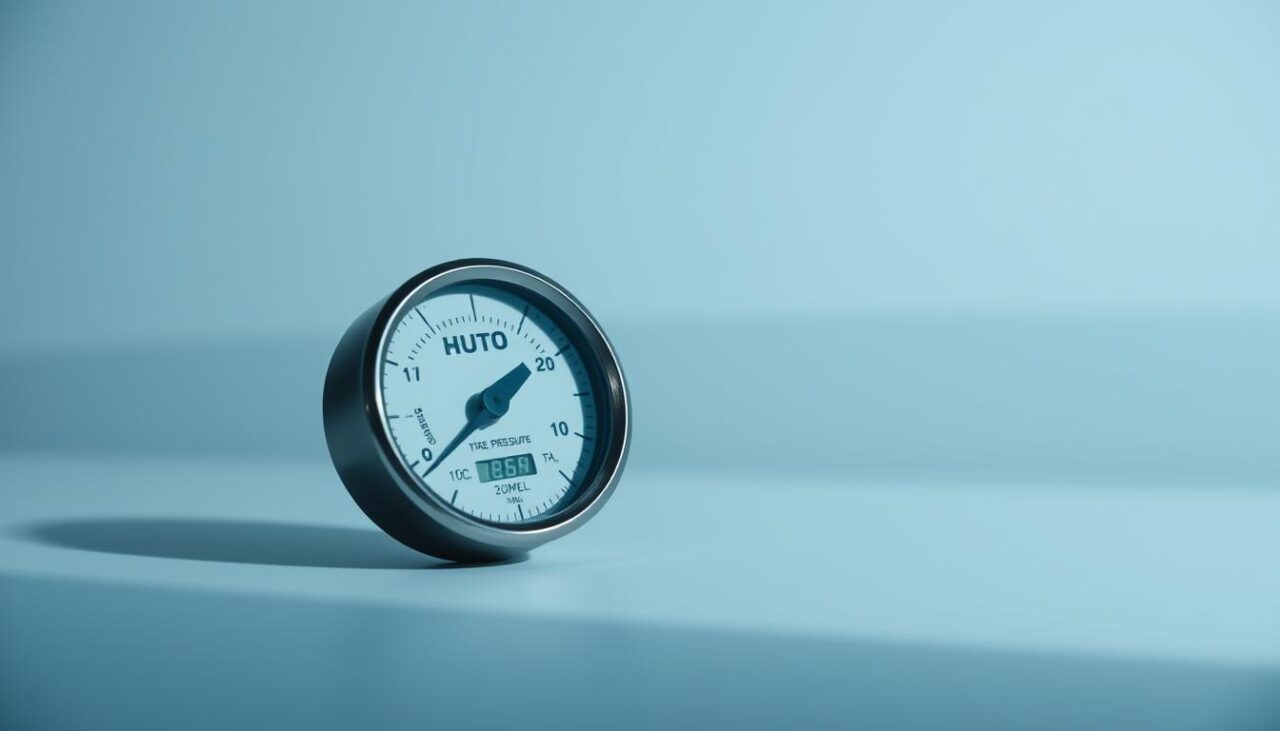
- Understand TPMS alerts: verify actual PSI with a gauge before assuming a sensor fault.
- Rotate on a front-to-back or cross pattern per drivetrain and owner’s intervals to balance wear.
- Balance wheels if you feel vibration; align if the vehicle pulls or the steering wheel sits crooked.
- Repair only tread punctures within limits; choose replacement for sidewall damage, shallow tread, or cracking.
Seasonal note: Swap to winter tires for cold months and back to all-season or summer tires to help ensure longer life and better handling on the road.
Need help? Jiffy Lube and similar shops offer rotation, balancing, TPMS service, repair, replacement, and alignment to keep your vehicle safe and riding smoothly.
Fluids and Filters That Protect Your Engine and Drivetrain
Fresh fluids and clean filters directly reduce wear and heat. Follow the vehicle manufacturer schedule and log each service. Small checks make a big difference in longevity.
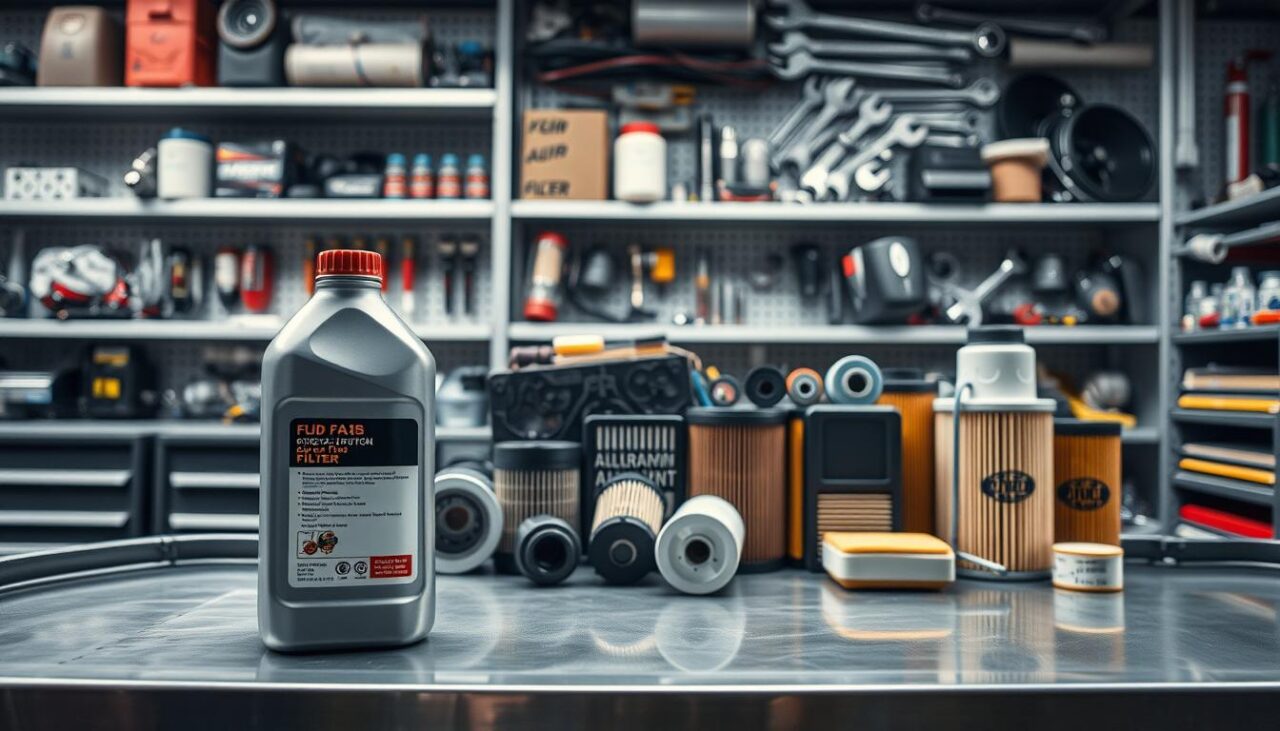
Engine oil and filter: service intervals and signs you’re due
Oil changes range from about 3,000 to 10,000 miles depending on oil type and usage. Watch for darkened oil, louder engine noise, or a service reminder. Replace the filter at each oil change to help ensure protection against wear and heat.
Coolant fluid exchange to help keep engine cool year-round
Schedule a coolant fluid exchange per the owner guide. Use a 50/50 antifreeze/water mix or the formula the vehicle manufacturer specifies to keep engine cool and prevent corrosion.
Transmission and transfer case fluid per vehicle manufacturer recommendations
Service transmission fluid on the recommended interval to preserve smooth shifts. Include transfer case and differential checks so the drivetrain has clean case fluid and proper lubrication.
Brake fluid exchange and power steering considerations
Include a brake fluid visual and replacement with new fluid to spec. Check power steering fluid and replace as needed to keep consistent pedal feel and steering response.
Engine air filter, cabin air filter, and fuel filter for optimal performance
Replace a dirty engine air filter and cabin filter to stabilize airflow and HVAC function. Swap fuel filters when specified to preserve fuel system health and drivability.
- Log mileage and date for every service to simplify future scheduling.
- Use correct fluids and filters to match specs and chemistry.
- Timely swaps help ensure efficiency, drivability, and long life.
Brakes, Battery, and Visibility Checks You Shouldn’t Skip
Routine checks of stopping systems, the battery, and visibility gear keep every trip safer. A short inspection catches worn pads, weak batteries, and hazy lights before they become big problems.
Brake inspection and pad measurement
Measure pad thickness and scan rotors for scoring or runout. If you see uneven wear, plan rotor machining or rotor replacement per manufacturer specs.
Brake fluid exchange at recommended intervals restores hydraulic feel and corrosion protection.
Battery testing and terminal service
Test the battery load, clean terminals, and tighten cables. Replace the battery when cranking slows and dispose of the old unit properly.
Visibility: wiper, windshield, and headlight service
Refresh headlight clarity and replace burned bulbs to restore night output. Repair windshield chips early to stop damage from spreading. Replace wiper blades that smear or chatter.
“A quick check today can stop a no-start or a costly repair tomorrow.”
- Schedule routine inspections to measure pads and check rotors.
- Document each battery and brake service to plan future replacement intervals.
- Include brake hardware and caliper checks during pad jobs to prevent uneven wear.
Seasonal and Mileage-Based Maintenance to Prevent Costly Repairs
A few targeted seasonal inspections save money and protect key systems as miles add up. Plan work by season and mileage to spot wear before it causes a breakdown.
Winter-ready: snow tires, coolant mix, and cold-weather pressure
Switch to dedicated winter tires when temperatures stay below freezing; non-winter compounds harden and lengthen stopping distances.
Verify antifreeze at about a 50/50 mix to keep engine cool and prevent freeze damage. Check battery health too, since cold cranking demands rise in winter.
Adjust tire pressure as temperatures fall to maintain the contact patch and predictable traction on snow or ice.
Suspension health: shocks and struts inspection for ride control
Have shocks and struts inspected around 50,000 miles or sooner if you notice extra bounce, nose dive, or body roll.
Fresh components restore ride control and reduce uneven wear on tires and belt-driven accessories by keeping load balanced.
Transmission and driveline fluids for 4×4 and AWD vehicles
Follow vehicle manufacturer recommendations for transmission fluid exchanges. On 4×4 and AWD vehicles, schedule differential and transfer case fluid services at the same interval.
Use the correct case fluid to protect gears, clutches, and bearings and extend service life.
Record-keeping and reminders to help ensure timely care
Track service history with an app like CARFAX Car Care to store receipts, photos, and schedules. Reminders make tire rotations, spark plug swaps, and serpentine belt checks easier to plan.
- Prepare winter tires and monitor pressure more often in cold months.
- Verify coolant mix, test the battery, and inspect belts before season changes.
- On long trips, check tire inflation, coolant level, washer fluid, wipers, and lights.
Conclusion
Small, timely services keep a vehicle reliable and help prevent larger repairs down the road.
Follow a checklist that combines oil and filter swaps, coolant fluid exchange, and brake fluid service per the manufacturer. These steps protect the engine and improve longevity.
Keep tires in good shape with correct tire pressure, rotation, alignment, and prompt replacement when tread falls short. Balance and TPMS checks reduce vibration and wear.
Don’t forget visibility and electrical checks: headlight cleaning, bulb swaps, windshield repair, and battery testing support safe driving.
Track every entry in an app to store receipts, set reminders, and show a solid service history when you sell. Consistent attention makes ownership easier and protects value.